

 See My Latest Article on HelloNation
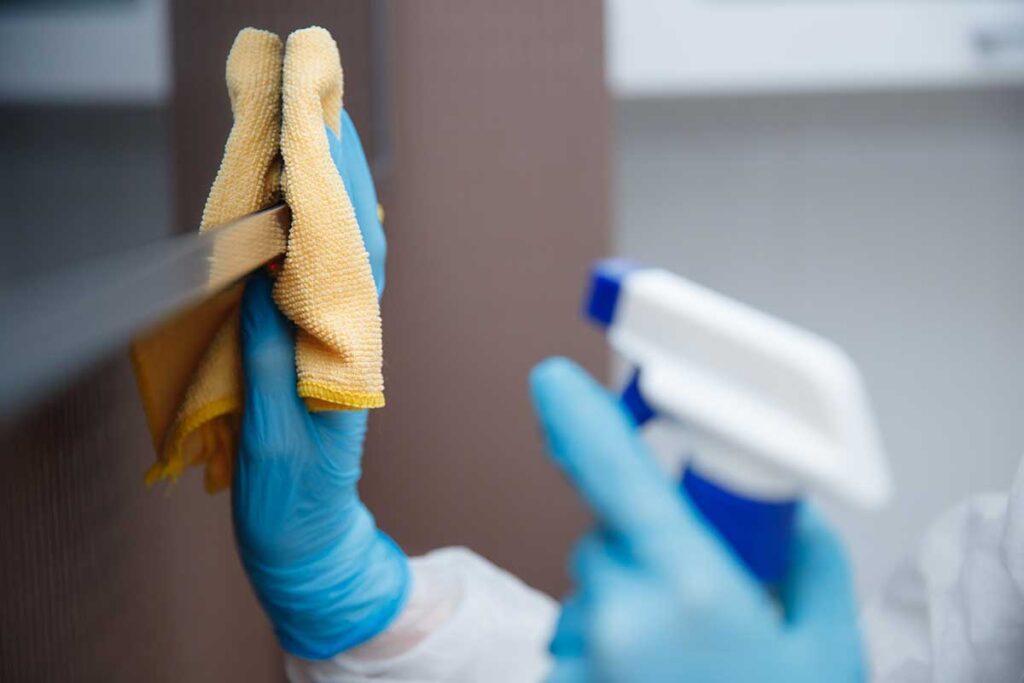
Mattresses collect skin flakes, body oils, sweat, dust, and allergens even when sheets are washed regularly. Routine cleaning can reduce surface debris and odors, but sanitizing a mattress requires caution because most mattresses should not be soaked or treated with strong chemicals.
How often should a mattress be cleaned?
A mattress should receive light surface cleaning every few months and a deeper refresh about twice a year. Clean it sooner after illness, a spill, heavy sweating, pet accidents, or a change in household allergies.
Wash sheets, pillowcases, and mattress protectors more often than the mattress itself. Bedding can usually be laundered, while a mattress has inner layers that dry slowly and may be damaged by excess moisture.
Homes in Ann Arbor, MI may experience humid summers, snowy winters, and periods when windows remain closed for long stretches. Those conditions can limit ventilation and allow odors or moisture to linger, so thorough drying is especially important.
What supplies are safe to use?
Gather supplies before removing the bedding:
- A vacuum with an upholstery attachment
- Mild, unscented laundry detergent
- Clean white cloths or towels
- A small amount of baking soda, if desired
- A fan or dehumidifier
- A mattress protector
- Gloves for cleaning bodily fluids or heavily soiled areas
Avoid chlorine bleach, concentrated disinfectants, harsh solvents, and heavily fragranced products unless the mattress manufacturer specifically permits them. These substances can discolor fabric, irritate the skin, damage foam, or leave residues in a sleeping surface.
Always check the care label and manufacturer instructions first. Memory foam, latex, pillow-top, hybrid, and traditional innerspring mattresses may have different cleaning limits.
How do you clean a mattress step by step?
Start by stripping the bed completely. Remove sheets, blankets, pillow protectors, and the mattress cover. Launder washable items according to their care instructions, using the warmest appropriate setting and drying them fully.
Next, inspect the mattress in good light. Look for stains, dampness, mildew-like spotting, tears, pest evidence, or areas where the fabric has separated. Do not begin wet cleaning if the mattress already feels damp.
Vacuum the entire surface slowly. Use overlapping passes across the top, sides, seams, piping, and edges. Dust and skin particles often collect around stitched areas rather than in the center of the mattress. Empty the vacuum outdoors or dispose of its contents carefully if household allergies are a concern.
For a general refresh, sprinkle a thin layer of baking soda over the surface and allow it to sit for several hours. This may help absorb mild odors, but it does not disinfect the mattress. Vacuum it thoroughly afterward.
For a small stain, mix a few drops of mild detergent into cool water. Dampen a cloth rather than pouring the solution onto the mattress. Blot from the outside of the stain toward the center, using as little liquid as possible. Follow with a separate cloth lightly dampened with clean water, then blot dry with towels.
Do not scrub aggressively. Scrubbing can spread the stain, roughen the cover, and push moisture deeper into the filling.
How can a mattress be sanitized?
A household mattress usually cannot be fully sanitized throughout its interior. Surface cleaning can remove some contaminants, but liquids, sprays, and ultraviolet devices do not reliably reach every layer.
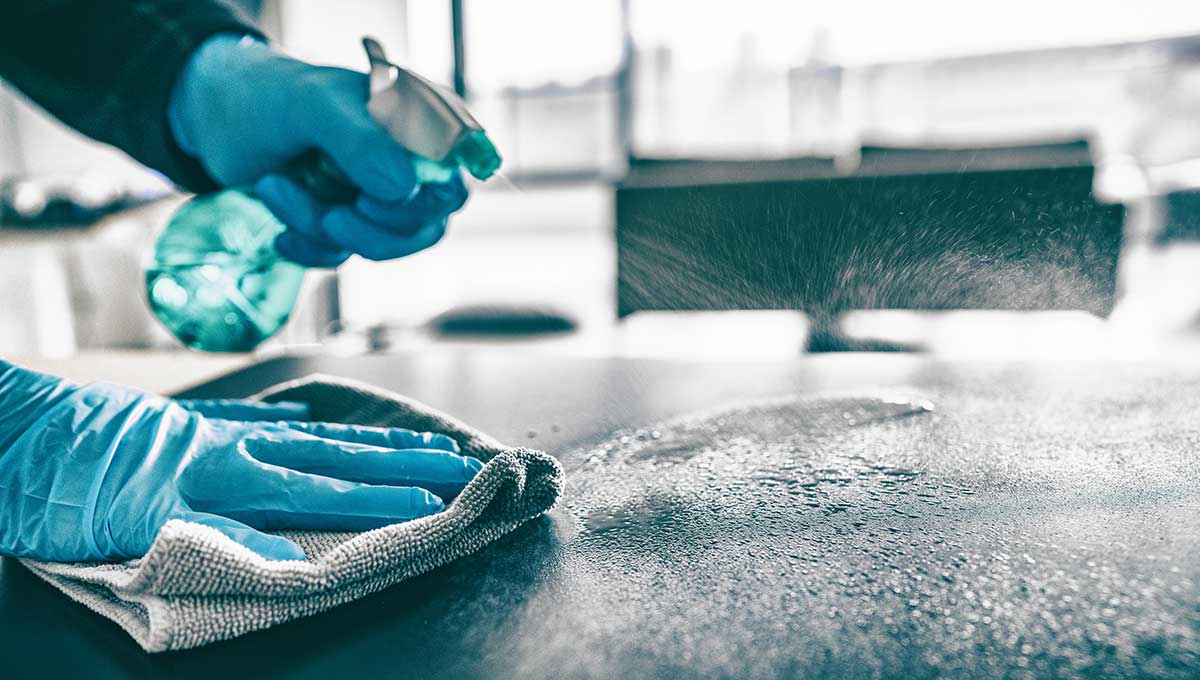
The safest routine approach is to remove debris, clean localized stains, and dry the mattress completely. A washable, tightly fitted mattress protector adds another layer of protection and can be laundered after spills or illness.
Steam cleaning should be used only when the manufacturer allows it. Steam may kill some organisms on surfaces, but excess heat and moisture can damage adhesives, foam, or inner materials. A mattress that remains damp inside can develop musty odors or mold growth.
Disinfectant sprays are not automatically safe for mattresses. A product labeled for hard, nonporous surfaces may not be appropriate for fabric, foam, or bedding. Never spray a disinfectant on a sleeping surface unless the label specifically allows that use and provides directions for fabric or mattresses.
After any damp cleaning, stand the mattress on its side if possible, open windows when outdoor conditions are suitable, and use fans to move air across the surface. Do not remake the bed until the mattress is completely dry to the touch and no cool, damp areas remain.
How should bodily-fluid stains be handled?
Wear disposable gloves and keep children and pets away from the area. Blot fresh liquid with paper towels or clean towels, working from the outer edge inward. Do not use hot water on protein-based stains such as blood, because heat can set them.
Use a small amount of cool water and mild detergent for initial cleaning. For urine, a purpose-made enzyme cleaner may be appropriate if the product label permits use on the mattress material. Apply it sparingly, avoid saturation, and ventilate the room during and after use.
Do not mix cleaning products. In particular, never combine bleach with ammonia, vinegar, or other acidic cleaners. If the mattress has been heavily saturated, the odor persists, or the interior remains damp, replacement may be safer than repeated attempts to treat it.
What about mold, mildew, or bedbugs?
A few surface marks do not always reveal how far moisture or contamination has spread. If a mattress has visible mold, a strong persistent musty smell, or extensive water damage, avoid brushing or vacuuming it indoors. Porous materials are difficult to restore reliably once mold has penetrated the interior.
Bedbugs require a different response from ordinary cleaning. Vacuuming may remove some insects or debris, but it does not eliminate an infestation. Look for small dark spots, shed skins, pale eggs, or live insects around seams and the bed frame. Keep the mattress isolated from other rooms and avoid moving infested bedding around the home.
Do not rely on household insect sprays applied to sleeping surfaces. Some products are unsafe for direct contact with skin and may not work against hidden insects.
How can the mattress stay cleaner longer?
Use a washable mattress protector that fits securely and does not trap excessive heat or moisture. Wash it after spills, illness, or accidents, and inspect it for tears.
Keep the bedroom reasonably ventilated. During humid weather, a dehumidifier can help reduce moisture; during cold weather, brief ventilation can help release indoor humidity when conditions allow. Avoid placing a damp mattress directly against a wall or leaving wet laundry on the bed.
Rotate the mattress only if the manufacturer permits it. Many modern mattresses are designed for rotation rather than flipping, while some should not be moved at all. Follow the product instructions instead of applying a general rule.
Regular bedding changes, careful spill response, complete drying, and a protective cover usually provide more useful hygiene benefits than aggressive chemical treatment. The goal is a clean, dry sleeping surface without damaging the materials that make up the mattress.