

 See My Latest Article on HelloNation
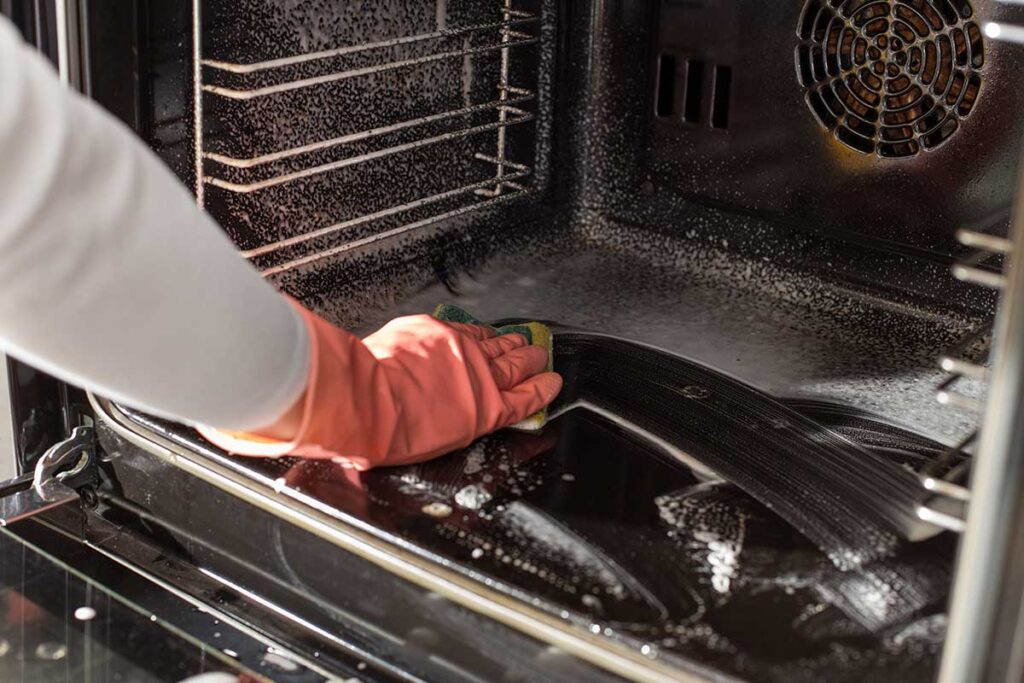
Thorough home cleaning is easier to manage when each room has a clear purpose, sequence, and standard. Rather than cleaning randomly, work from higher surfaces to lower ones, from dry tasks to wet tasks, and from less soiled areas to more heavily soiled areas. This approach reduces rework and helps households notice overlooked areas.
In Ann Arbor, MI, seasonal changes can affect cleaning routines. Winter moisture, tracked-in salt, spring pollen, summer humidity, and autumn debris may all influence floors, entryways, windows, and ventilation. A practical cleaning plan should account for both everyday dust and local seasonal conditions.
What is the right order for cleaning a home?
A useful order is to declutter first, dust from top to bottom, clean surfaces, vacuum or sweep, and mop floors last. This prevents dust and crumbs from falling onto areas that have already been cleaned.
Before beginning, gather the needed supplies and open interior doors or windows when weather permits. Avoid mixing cleaning chemicals, especially products containing bleach with ammonia or acids. Use separate cloths for kitchens, bathrooms, and general living areas to reduce cross-contamination.
A simple whole-home sequence is:
- Remove trash and return misplaced items.
- Make beds and clear counters.
- Dust ceiling fans, light fixtures, shelves, and furniture.
- Clean glass, mirrors, and frequently touched surfaces.
- Vacuum upholstery and floors.
- Sweep hard floors.
- Mop according to the flooring manufacturer’s instructions.
- Replace towels, liners, and other washable household textiles.
How should the entryway and mudroom be cleaned?
Entryways need frequent attention because they collect soil, moisture, salt residue, and outdoor debris. During wet or snowy periods, cleaning should focus on preventing tracked-in material from spreading through the home.
Start by removing shoes, bags, coats, and seasonal equipment from the floor. Shake out or vacuum mats, then inspect the flooring beneath them. Fine salt or grit can scratch hard surfaces if it is left in place and walked over repeatedly.
Clean this area by:
- Wiping door handles, railings, light switches, and bench surfaces.
- Vacuuming corners and the space beneath furniture.
- Sweeping or vacuuming before damp mopping.
- Washing washable mats according to their care instructions.
- Checking the lower portion of doors and nearby walls for splash marks.
Do not place damp footwear directly on wood or other moisture-sensitive flooring. A ventilated tray or washable mat can help contain water and debris.
What should be cleaned in the kitchen?
A thorough kitchen cleaning should address food-contact surfaces, grease accumulation, appliances, floors, and areas where crumbs collect. Cleaning counters alone does not remove the buildup that develops around cabinet handles, appliance edges, and the floor beneath movable items.
Begin by clearing counters and checking food storage for expired items. Wipe counters with a suitable cleaner, then clean cabinet pulls, refrigerator handles, faucet handles, and light switches. These high-touch areas often need more frequent attention than cabinet fronts.
Continue with:
- Cleaning the stovetop, control knobs, backsplash, and range hood exterior.
- Wiping the refrigerator door seals and inspecting shelves for spills.
- Cleaning the microwave interior, including the ceiling and turntable.
- Scrubbing the sink basin, drain area, faucet base, and garbage disposal guard if present.
- Emptying the toaster crumb tray and cleaning beneath countertop appliances.
- Vacuuming along cabinet kick plates and under accessible appliances.
- Sweeping and mopping the floor, paying attention to corners.
Use separate cleaning tools for the kitchen and bathroom. A cloth used near a toilet should never be reused on counters or food-preparation surfaces.
How can living rooms and family rooms be cleaned thoroughly?
Living areas accumulate dust in visible places and in less obvious locations such as upholstery seams, electronics shelves, baseboards, and beneath furniture. A complete cleaning combines decluttering, surface care, and fabric maintenance.
Dust ceiling fans, vents, lampshades, picture frames, shelves, and the tops of furniture before vacuuming. Use a suitable attachment on electronics rather than spraying cleaner directly onto screens or vents. Wipe remote controls and frequently touched table surfaces carefully.
For upholstered furniture:
- Remove cushions when possible.
- Vacuum seams, crevices, and the space beneath cushions.
- Check care labels before using water or stain treatments.
- Rotate cushions if recommended by the manufacturer.
- Wash or vacuum throw blankets and decorative pillows as appropriate.
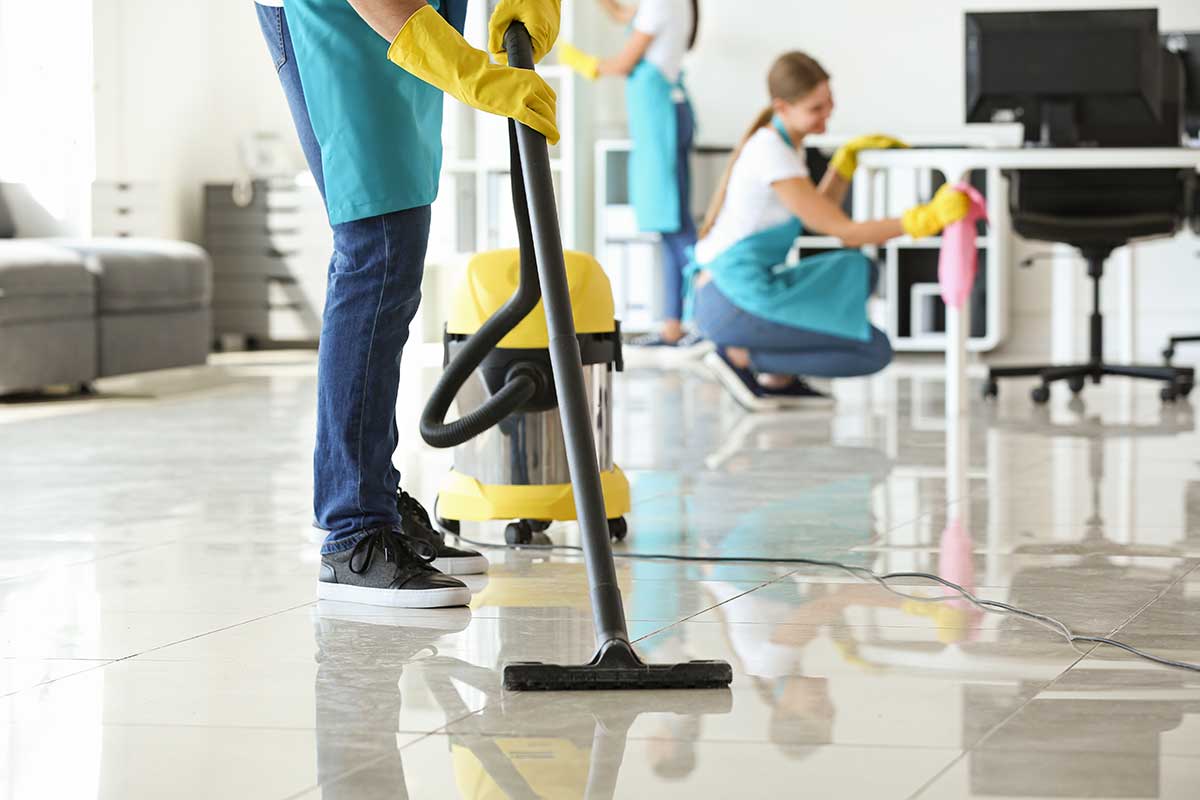
Move lightweight furniture periodically to clean underneath it. Dust along baseboards and behind doors, where buildup can be particularly noticeable during heating season.
What is the best way to clean bedrooms?
Bedrooms benefit from a regular textile-focused routine. Bedding, mattresses, curtains, rugs, and upholstered furniture can hold dust even when hard surfaces appear clean.
Strip the bed and launder sheets, pillowcases, and blankets according to their care instructions. While the bedding is removed, vacuum the mattress surface and inspect the bed frame, headboard, and area beneath the bed. Do not saturate a mattress; excess moisture can be difficult to remove fully.
Dust nightstands, lamps, shelves, window ledges, and closet surfaces. Vacuum floors slowly around bed legs and along walls. If the room contains a ceiling fan, clean it before working on lower surfaces.
Closets should be addressed periodically rather than during every routine cleaning. Remove items from the floor, vacuum corners, and check for signs of moisture or musty odors, particularly where exterior walls or poorly ventilated areas are involved.
Which bathroom areas are commonly overlooked?
Bathrooms require careful cleaning because moisture, soap residue, mineral deposits, and microorganisms can accumulate quickly. The most frequently missed areas include exhaust fan covers, faucet bases, toilet hinges, shower tracks, and the floor behind the toilet.
Start by removing personal items and laundering washable bath mats and towels. Clean mirrors and glass first, then work through sinks, counters, showers, tubs, and toilets. Allowing an appropriate cleaner to remain on a surface for its labeled contact time is generally more effective than wiping it away immediately.
Pay attention to:
- The underside and edges of the toilet seat.
- Toilet hinges and the floor around the base.
- Faucet aerators and handles.
- Grout lines and caulk seams.
- Shower doors, tracks, curtains, and liners.
- Exhaust fan covers and nearby ceiling areas.
- Cabinet pulls and the space beneath the sink.
Keep the room ventilated during and after cleaning. Persistent leaks, recurring mildew, damaged caulk, or strong sewage odors may indicate a maintenance problem rather than a simple cleaning issue.
How should laundry rooms and utility areas be handled?
Laundry rooms often collect lint, dust, detergent residue, and moisture. Wipe the tops and sides of machines, clean detergent compartments, and vacuum behind and beneath appliances when safely accessible.
Inspect the dryer lint filter after every load and clean the surrounding area regularly. The exhaust duct and exterior vent also require attention as part of normal home maintenance, although deeply obstructed or damaged vent systems may require qualified service for safety reasons.
Sweep floors carefully around water supply lines and drains. Look for signs of leaks, corrosion, or dampness. A small leak can cause damage behind appliances before it becomes visible elsewhere.
How often should a thorough cleaning be done?
The right schedule depends on household size, pets, allergies, flooring, cooking habits, and seasonal conditions. High-use areas generally need weekly attention, while detailed tasks can be rotated monthly or seasonally.
A practical schedule might include:
- Daily or near-daily: dishes, food spills, kitchen counters, and visible entryway debris.
- Weekly: bathrooms, floors, bedding, dusting, and high-touch surfaces.
- Monthly: baseboards, doors, appliance interiors, upholstery crevices, and ceiling fan blades.
- Seasonally: windows, screens, closet floors, behind furniture, and entryway storage.
Households dealing with winter salt, spring pollen, or increased indoor humidity may need to adjust these intervals. Thorough cleaning is most effective when paired with repairs, ventilation, moisture control, and regular removal of clutter.