

 See My Latest Article on HelloNation

Tile is usually straightforward to maintain, but grout requires more careful attention because it is porous, textured, and easily holds onto soil. The most effective approach is to remove loose debris first, use a mild alkaline cleaner, scrub with a soft or medium brush, and rinse away the residue thoroughly.
What is the safest everyday method for cleaning tile and grout?
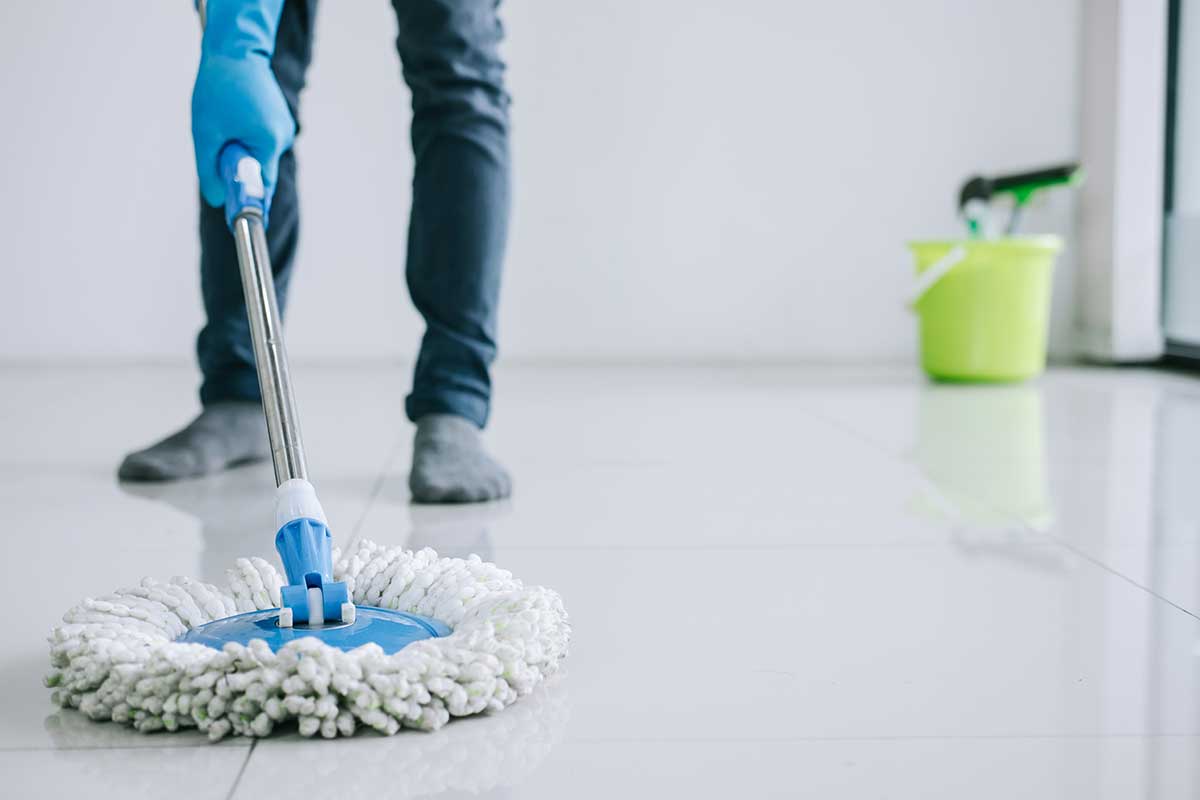
For routine cleaning, sweep or vacuum the surface, wipe it with warm water and a small amount of mild dish soap, then dry it with a clean towel. This removes surface dust, body oils, and light spills without exposing tile or grout to unnecessarily harsh chemicals.
A simple maintenance routine works well for most ceramic or porcelain tile:
- Remove grit with a vacuum or soft broom.
- Mix warm water with a small amount of mild dish soap.
- Apply the solution with a microfiber mop or cloth.
- Scrub visibly dirty grout lines with a soft nylon brush.
- Rinse with clean water.
- Dry the floor or wall to prevent streaks and lingering moisture.
Avoid flooding the area. Excess water can soak into unsealed grout, collect beneath fixtures, or remain in corners where mildew may develop.
What cleaner works best on dirty grout?
A mild baking soda paste is useful for moderate discoloration. Mix baking soda with enough water to form a spreadable paste, apply it to the grout, and let it sit for several minutes. Scrub gently with a grout brush or old toothbrush, then rinse thoroughly.
For heavier soil, a commercial tile-and-grout cleaner labeled for the specific surface may be more effective. Follow the product directions and test it in a hidden area first. Some cleaners are too acidic or abrasive for natural stone, cement-based grout, colored grout, or older tile installations.
A paste made with baking soda and hydrogen peroxide can brighten some light-colored grout, but it should still be tested first. Do not combine hydrogen peroxide with other cleaners.
The goal is not to make grout look bleached white at any cost. Aggressive scrubbing and strong chemicals can weaken the grout surface, remove color, or damage nearby tile finishes.
How should grout be scrubbed without damaging it?
Use a narrow nylon grout brush and work in small sections. Scrub along the grout line rather than applying force across the tile edges. Moderate pressure is usually enough after the cleaner has had time to loosen the soil.
Avoid using:
- Metal brushes
- Steel wool
- Abrasive powders used aggressively
- Sharp tools
- High-pressure sprays directed at damaged grout
These methods can scratch glazed tile, remove grout, or widen existing cracks. If grout is already crumbling, scrubbing will not correct the underlying problem.
A steam cleaner may loosen surface soil, but heat and moisture can affect certain tile assemblies, sealers, adhesives, and older installations. It should be used cautiously and according to the equipment and tile manufacturer’s guidance.
Should vinegar be used on tile and grout?
Vinegar is not a universal tile cleaner. Its acidity may dull or etch natural stone such as marble, limestone, travertine, and some other calcareous surfaces. Repeated use can also affect cement-based grout and grout sealers.
For ceramic and porcelain tile, occasional diluted vinegar may be acceptable in some situations, but it is generally not the best first choice for routine grout cleaning. A neutral or mildly alkaline cleaner is less likely to create problems.
Never mix vinegar with chlorine bleach, ammonia, or other cleaning chemicals. Dangerous vapors can result from some combinations.
How can soap scum and hard-water deposits be removed?
Bathroom tile often develops a combination of soap residue, body oils, and mineral deposits. Start with a mild cleaner and mechanical scrubbing. If a chalky film remains, identify the tile material before using an acidic product.
Hard-water deposits may respond to a carefully selected descaling cleaner on compatible ceramic or porcelain surfaces. Natural stone requires a stone-safe cleaner because acidic descalers can permanently etch it.
Soap scum is often easier to control by reducing residue before it hardens. After shower use, wipe wet walls with a squeegee or microfiber cloth and improve ventilation. Keeping the surface drier also reduces the conditions that support mildew.
In Ann Arbor, seasonal humidity, wet footwear, snow melt, and tracked-in grit can add to household cleaning demands. Entryways and mudrooms benefit from frequent dry sweeping because sand and grit can wear down surface finishes when repeatedly walked across tile.
How often should tile and grout be cleaned?
Light sweeping or vacuuming should happen regularly in high-traffic areas. Damp cleaning can be done weekly or as needed, depending on household activity, pets, cooking, and moisture levels.
Grout usually needs deeper cleaning when it begins to look dull, develops dark traffic lines, or feels sticky after ordinary mopping. Bathrooms may need more frequent attention than dry rooms because humidity and product residue accumulate quickly.
Wipe spills promptly, especially colored foods, hair products, and oily substances. Porous grout can absorb stains if spills remain in place.
Does grout need to be sealed?
Many cement-based grouts benefit from sealing after they have fully cured and been cleaned. A sealer can reduce absorption and make future soil easier to remove, but it does not make grout permanently stainproof or eliminate the need for cleaning.
Sealing is not always appropriate for every material. Epoxy grout generally has different maintenance requirements, and some factory-finished or specialty surfaces should be treated only according to their care instructions.
Before sealing, grout must be clean and completely dry. Applying sealer over trapped soil or moisture can lock in discoloration and create an uneven appearance.
Why does grout stay dark after cleaning?
Persistent dark grout may be caused by embedded soil, mildew, staining, failed sealer, or moisture beneath the surface. In some cases, the grout itself has changed color because of age or repeated chemical exposure.
Mildew usually appears where moisture remains for long periods, such as shower corners, around tub edges, or behind poorly ventilated fixtures. Cleaning the visible growth helps, but the moisture source also needs attention. Check for leaking plumbing, deteriorated caulk, poor ventilation, or water that collects on horizontal surfaces.
If grout is cracked, loose, hollow-sounding, or repeatedly becoming wet from behind, ordinary cleaning is unlikely to solve the issue. The affected area may need repair rather than stronger chemicals.
Which precautions matter most?
Wear gloves when using concentrated cleaners, keep the room ventilated, and protect nearby painted surfaces or metal fixtures. Never mix cleaning products unless the label specifically confirms that combination is safe.
Test any new cleaner in an inconspicuous area. Stop if the tile becomes dull, sticky, lighter in color, or visibly scratched. Keep children and pets away until the surface has been rinsed and dried.
For most homes, the best long-term results come from a moderate routine: remove grit often, clean spills quickly, use gentle products, scrub grout carefully, rinse away cleaner, and control moisture. This approach protects both the tile surface and the grout beneath it without relying on unnecessarily harsh treatment.