

 See My Latest Article on HelloNation
How Do Professional Cleaners Start?
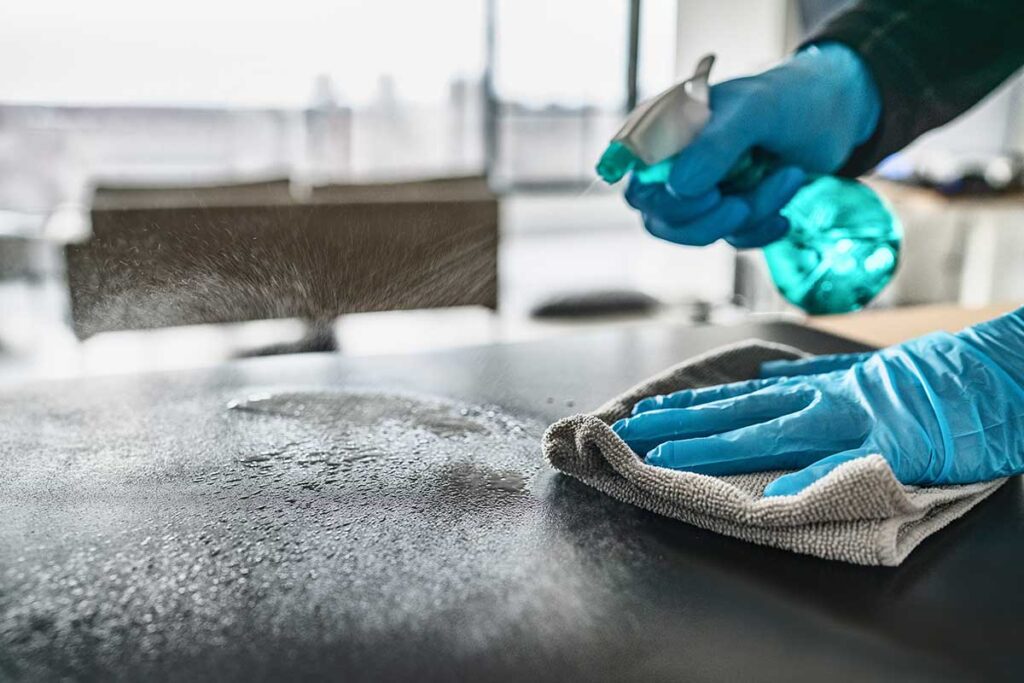
Professional cleaners always begin with a plan. Before touching supplies, they assess the entire space and strategize cleaning from top to bottom, allowing gravity to move dust and debris downward for efficient final removal. For Ann Arbor residents, starting this way is especially useful after seasonal changes—like post-winter mud or spring pollen settling from local trees—when dust and debris can be concentrated near doors or windows.
Begin by decluttering surfaces, then gather all necessary tools and products. Keeping supplies in a bucket or caddy limits unnecessary trips around the home and saves time, especially in multi-story homes found in the city.
What Is the Best Cleaning Order for Every Room?
The optimal approach is to move methodically from the highest to lowest point in each room, finishing with the floors. This routine ensures that dust from upper surfaces isn’t redeposited onto freshly cleaned areas below.
Recommended order:
- Dust ceiling fans, air vents, and light fixtures
- Clean windows, mirrors, and other glass surfaces
- Wipe down shelves, furniture, and flat surfaces
- Clean and disinfect high-touch points like doorknobs and switches
- Address baseboards and lower moldings
- Vacuum or sweep, then mop floors
Local homes often contend with dust from nearby construction, pollen, or outdoor activities. Following this system will minimize repeated effort and maintain indoor air quality.
Which Cleaning Products and Tools Are Truly Necessary?
Residents sometimes believe a large arsenal of specialized products is necessary, but most professionals focus on multi-purpose, basic items.
Here are essentials:
- Microfiber cloths for dusting and wiping—these reduce reliance on paper towels and trap more debris
- A good vacuum with a HEPA filter, particularly for those with pets common in area households
- All-purpose cleaner for counters, glass, and many surfaces
- Sponges, scrub brushes, or non-abrasive pads for stubborn spots
- A mop (microfiber flat or string mop) and bucket for floors
- Baking soda and white vinegar—safe, effective for odor removal or tackling mineral deposits common in homes with hard water
Specialized cleaners may be needed for issues like iron stains in older plumbing or soap scum in bathrooms, but check that products are safe for the surface.
How Do Pros Clean Complicated or Overlooked Areas?
Professionals pay attention to places that collect hidden dirt.
Some commonly missed spots include:
- Behind and under furniture (especially near radiators or baseboard heaters)
- Kitchen appliance handles, cabinet hardware, and toe kicks
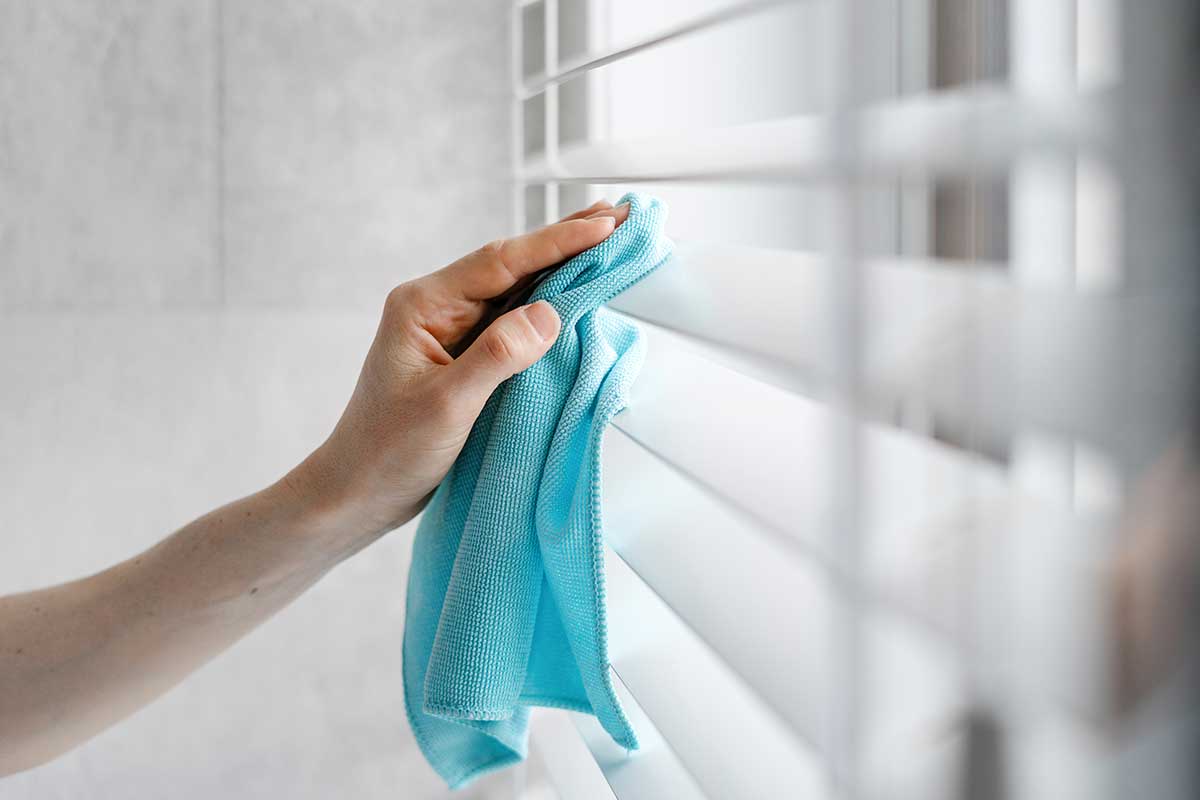
- Inside and edges of window sills—where pollen and condensation can build up
- Light switch covers, and the tops of door frames
- Shower curtain liners and bathroom vent covers
For these areas, use a microfiber cloth dampened very slightly with cleaner, or a vacuum with attachments for narrow gaps. Key during DIY cleaning is to move small pieces of furniture and to check for moisture damage in bathrooms, which is a local concern in the city’s humid summers.
How Often Should Each Area Be Cleaned?
Professionals follow routines to prevent buildup and maintain a healthier living space. For local residents dealing with four-season weather, pay special attention to high-traffic and entry areas, which may need more frequent attention during muddy spring or snowy winter months.
- Daily: Kitchen surfaces, bathroom sinks, and high-touch handles
- Weekly: Dust all accessible surfaces, vacuum and mop floors, clean mirrors and glass, disinfect bathrooms
- Monthly: Clean behind and beneath furniture, wash windows, wipe baseboards, and dust vents
- Seasonally: Deep clean carpets or area rugs, launder curtains, wipe inside cabinetry
Adjust the frequency for pet owners, allergy sufferers, or anyone with unique living arrangements.
What Do Professionals Do Differently with Floors?
Professionals vacuum slowly and in two directions (for example, north-south, then east-west), which ensures that carpet and rug fibers are thoroughly cleaned and dust is fully collected. On hard floors, they start by dry sweeping, then mop working from one side to the other, exiting the room last.
Ann Arbor homes with hardwood or tile benefit from damp—not wet—mopping to protect floor integrity, considering possible moisture issues from seasonal humidity. Never skip thorough drying, especially in lower levels or basements common in area homes to prevent warping or mildew.
How Do Experts Fight Local Allergens and Residue?
Changing weather in the city brings pollen, pet dander, and road salt residue into homes. Professionals often recommend:
- Removing shoes at the door and using washable entry mats
- Using a vacuum with a quality filter, especially after spring blossoms or autumn leaf fall
- Wiping window sills, fans, and air vents at least once a month
- Running exhaust fans in bathrooms and kitchens to reduce mold and moisture buildup
During the highest pollen seasons, consider more frequent dusting and laundering of linens, especially in homes near parks or green spaces.
What Common Cleaning Myths Should Residents Avoid?
Area households sometimes rely on shortcuts or online tips that don’t always work:
- Spraying cleaner directly onto surfaces wastes product and can cause buildup—apply to cloths instead
- Overusing bleach or harsh chemicals can damage home surfaces and harm indoor air quality, especially in older homes common to Ann Arbor
- Excessive wet mopping of wood floors can cause long-term damage
- Ignoring ventilation during cleaning can trap fumes or humidity
Following reliable, time-tested methods—rather than trends—makes cleaning more effective and safer for both people and pets.