

 See My Latest Article on HelloNation
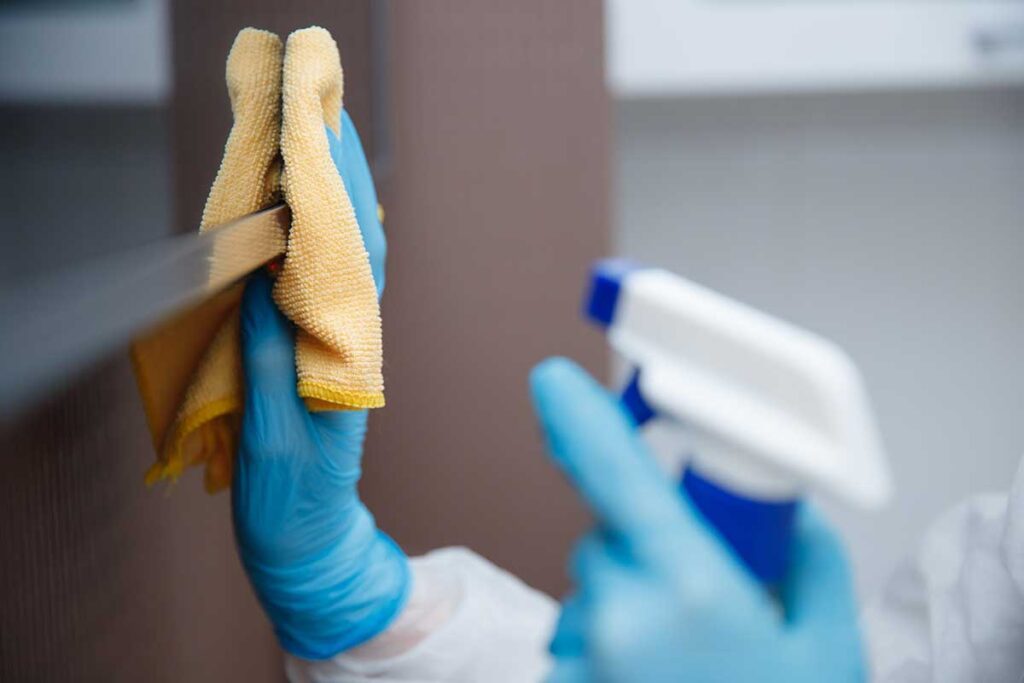
Kitchen sponges and dishcloths can collect food particles, moisture, and germs quickly. Washing them regularly, drying them thoroughly, and replacing them before they become worn or odorous can help reduce cross-contamination in the kitchen.
Are sponges and dishcloths actually dirty?
Yes. Anything used to wipe counters, clean dishes, or handle food residue can pick up bacteria, yeast, mold, and viruses. A sponge’s porous texture holds moisture and particles inside, while a damp dishcloth can remain wet for hours near the sink.
The risk is not that every sponge or cloth will make someone sick. The concern is that the same item may be used across several surfaces, moving germs from raw meat juices, produce, dirty dishes, hands, and sink areas to countertops or utensils.
A sour smell, slimy texture, visible discoloration, or persistent dampness is a strong sign that a sponge or dishcloth needs immediate cleaning or replacement.
What is the difference between cleaning and sanitizing?
Cleaning removes food, grease, dirt, and many germs through water, detergent, and scrubbing. Sanitizing reduces the number of germs to a safer level. Disinfecting is a stronger process generally used when a surface may have been exposed to illness-causing organisms or bodily fluids.
For everyday kitchen care, start with cleaning. A sanitizer cannot work effectively through grease or food residue. If a sponge or cloth has touched raw poultry, meat, seafood, vomit, feces, or a surface used by someone with a contagious illness, laundering or replacement is usually safer than simply rinsing it.
How should a dishcloth be sanitized?
Machine washing is the most practical method for reusable cotton or microfiber dishcloths.
1. Rinse the cloth promptly after use to remove food and grease.
2. Wash it with detergent using the warmest setting allowed by the fabric-care instructions.
3. Use a complete drying cycle, or hang it where air can circulate freely.
4. Store it only after it is fully dry.
A dishcloth used for wiping counters should not also be used for drying clean dishes unless it has been washed first. Keep separate cloths, if possible, for dishes, food-preparation surfaces, floors, and pet-related cleanup.
Do not leave a wet cloth balled up beside the sink. Spread it over a rack or the edge of a clean basin so it can dry quickly. This is especially helpful during humid summer weather, while indoor winter heating can create a different problem: cloths may feel dry on the surface while remaining damp in thicker folds.
For cloths that can tolerate it, a hot wash and heated drying cycle provide more reliable sanitation than a quick rinse. Follow the care label, because excessive heat can damage some synthetic materials.
Can a sponge go in the microwave?
Some sponges can be heated in a microwave, but this method requires caution and is not suitable for every type.
Before microwaving:
- Make sure the sponge contains no metal, metallic fibers, or abrasive material with metal.
- Saturate it completely with water. A dry sponge can scorch or catch fire.
- Place it in a microwave-safe container.
- Heat it only while wet and remain nearby.
- Allow it to cool before handling.
Microwaving may reduce many microorganisms, but it does not repair a deteriorated sponge or remove all trapped residue. A sponge that is greasy, moldy, cracked, or foul-smelling should be discarded rather than treated.
Never microwave a sponge containing cleaning chemicals, bleach, or other products. Chemical vapors and fire hazards can result.
Is the dishwasher a good option for sponges?
A dishwasher can be useful for sponges labeled as dishwasher-safe. Place the sponge where it will not block spray arms or fall onto the heating element, then run a full wash and drying cycle.
The drying portion matters because heat and thorough drying improve the sanitation process. Remove the sponge when the cycle is complete and allow it to cool and dry fully if it still feels damp.
This method is not appropriate for cellulose products, delicate scrubbers, sponges with glued components, or anything with metal. When uncertain, check the manufacturer’s care instructions or choose replacement instead.
Should bleach be used on sponges and dishcloths?
Bleach is not automatically the safest choice. It can damage fabric, weaken sponge material, irritate the skin and lungs, and leave dangerous residue if used incorrectly.

Never mix bleach with vinegar, ammonia, acids, or other cleaners. If a bleach product is used for a washable item, follow the product label precisely, use adequate ventilation, and rinse or launder as directed. A bleach soak is not a substitute for removing food particles first.
For most household dishcloths, regular laundering with detergent and complete drying is simpler and more dependable. For inexpensive sponges, frequent replacement may be safer than trying to rescue one that has absorbed heavy grease or raw-food residue.
How often should sponges and dishcloths be sanitized?
Dishcloths should generally be washed daily when they are used for food preparation, wiping counters, or cleaning dishes. A cloth used only for a small, clean task may last longer, but it should still be washed before it develops an odor or remains damp for extended periods.
Sponges should be rinsed after each use, squeezed out, and stored where air can reach them. Sanitize a suitable sponge frequently, such as every few days, and replace it regularly. Replace it sooner if it:
- Smells sour or musty after rinsing
- Has visible mold or discoloration
- Feels slimy
- Is breaking apart or losing its shape
- Was used to clean up raw meat juices or bodily fluids
Keeping several washable cloths in rotation is often more hygienic than relying on one cloth throughout the week.
What should never be wiped with the same sponge?
Avoid using a food-preparation sponge for toilets, bathroom surfaces, floors, pet messes, or trash-related cleanup. Do not use the same sponge for raw-meat residue and ready-to-eat foods.
After preparing raw meat, poultry, or seafood, discard a heavily contaminated sponge or wash a reusable cloth immediately. Clean the surrounding sink, faucet handles, counter, and cutting-board area as needed. Wash hands with soap and water before touching clean dishes, refrigerator handles, or prepared food.
Sponges and cloths should also not be used as a substitute for cleaning the sink itself. The sink needs its own routine: remove debris, scrub with detergent, rinse, and allow the basin and surrounding surfaces to dry.
When is replacement better than sanitizing?
Replacement is better when a sponge is worn, permanently stained, slimy, moldy, or persistently odorous. Sanitizing reduces microorganisms but does not make a damaged or heavily contaminated item suitable indefinitely.
For households with infants, older adults, or people with weakened immune systems, using fresh sponges more often and laundering dishcloths daily can provide an added margin of safety. The same applies after illness in the household or after cleaning up material that may contain pathogens.
Clean tools help, but they work best alongside handwashing, separate cutting boards for raw and ready-to-eat foods, prompt refrigeration, and regular cleaning of sinks and counters.