

 See My Latest Article on HelloNation
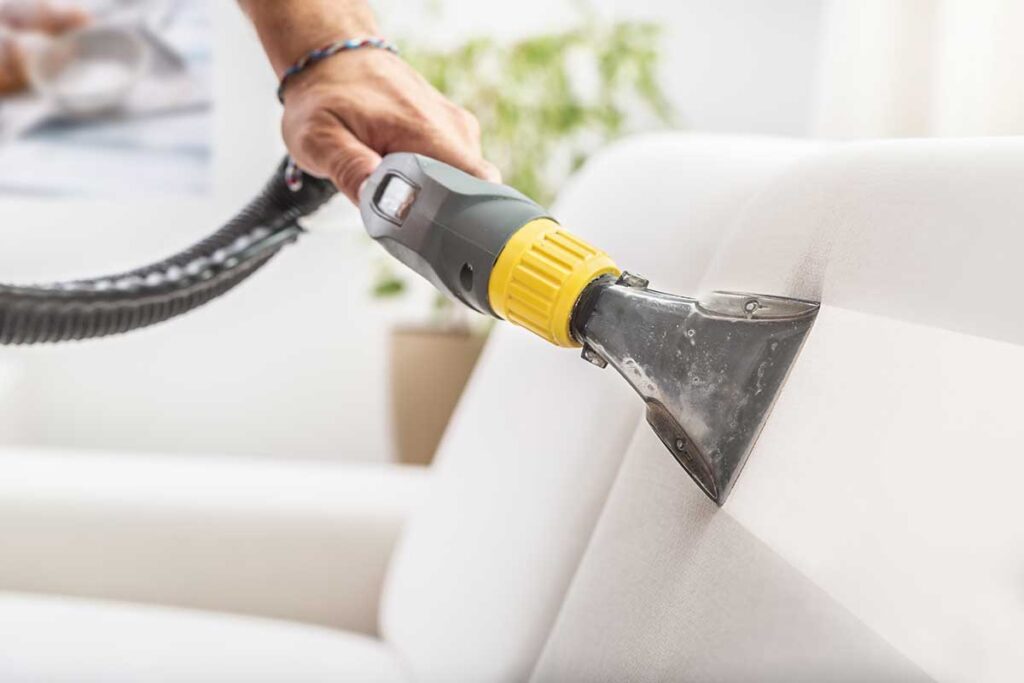
What Do Ann Arbor Residents Mean by Regular Cleaning?
Regular cleaning refers to the routine tasks that help keep a household sanitary and tidy on a day-to-day or weekly basis. In Ann Arbor homes, this often includes vacuuming and mopping floors, dusting surfaces, wiping down kitchen counters, and cleaning bathrooms.
These tasks generally focus on visible areas and high-touch surfaces, keeping homes comfortable for everyday living. For many area households, regular cleaning forms part of a weekly or biweekly habit, shaped by preferences, housing size, and seasonal needs—especially during spring mud season or fall leaf drop.
Common elements of regular cleaning:
- Sweeping and mopping hard floors
- Vacuuming carpets and rugs
- Dusting shelves, tables, and electronics
- Wiping kitchen counters and stovetops
- Sinks and toilets cleaned
- General tidy-up, such as putting things away or emptying trash cans
For most people, these activities keep allergens, dirt, and daily grime in check. However, regular cleaning is not designed to address build-up, hidden dirt, or overlooked nooks that can accumulate over time.
How Is Deep Cleaning Different?
Deep cleaning involves a far more thorough and detailed approach than regular cleaning, targeting areas that are often missed during routine upkeep. While regular cleaning is ongoing maintenance, deep cleaning provides a reset—removing built-up grime, dust, and gunk throughout a home, including spaces that might not be addressed for months or years.
Key ways deep cleaning stands apart:
- Scrubbing behind and underneath furniture and appliances
- Washing baseboards, doors, and window frames
- Sanitizing corners, vents, and light fixtures
- Cleaning inside ovens, refrigerators, and cabinets
- Addressing grout lines and tile buildup in kitchens and bathrooms
In Ann Arbor, where housing stock ranges from historic homes with older woodwork to modern apartments, this process can reveal hidden dust or residue—especially in homes that haven’t been deeply cleaned in a long time. Deep cleaning can be especially useful after a long winter, before allergies strike in spring, or ahead of a move-in or move-out.
Why Might an Ann Arbor Household Choose One Over the Other?
Routine cleaning is usually enough for ongoing household hygiene and comfort. However, deep cleaning may be needed in specific situations:
- Moving into or out of a property, to ensure a detailed reset
- Post-renovation, when fine dust or debris lingers
- Changing seasons, especially after spring thaw or fall mud season
- Following illnesses or high-traffic gatherings
Many local families set up a deep cleaning several times per year and use regular cleaning to maintain neatness in between those sessions. Deep cleaning is more time-intensive and may require different supplies or methods compared to weekly chores.
What Tasks Are Exclusive to Deep Cleaning?
A common misconception is that deep cleaning is simply “doing more regular cleaning,” but the focus differs. Deep cleaning often involves:
- Washing or vacuuming upholstered furniture and mattresses
- Removing limescale or soap scum from faucets and showerheads
- Washing windows (inside and, if safe, outside)
- Cleaning vent covers and ceiling fans
- Wiping down walls or touchpoints, especially behind furniture
- Emptying and sanitizing refrigerator shelves and bins
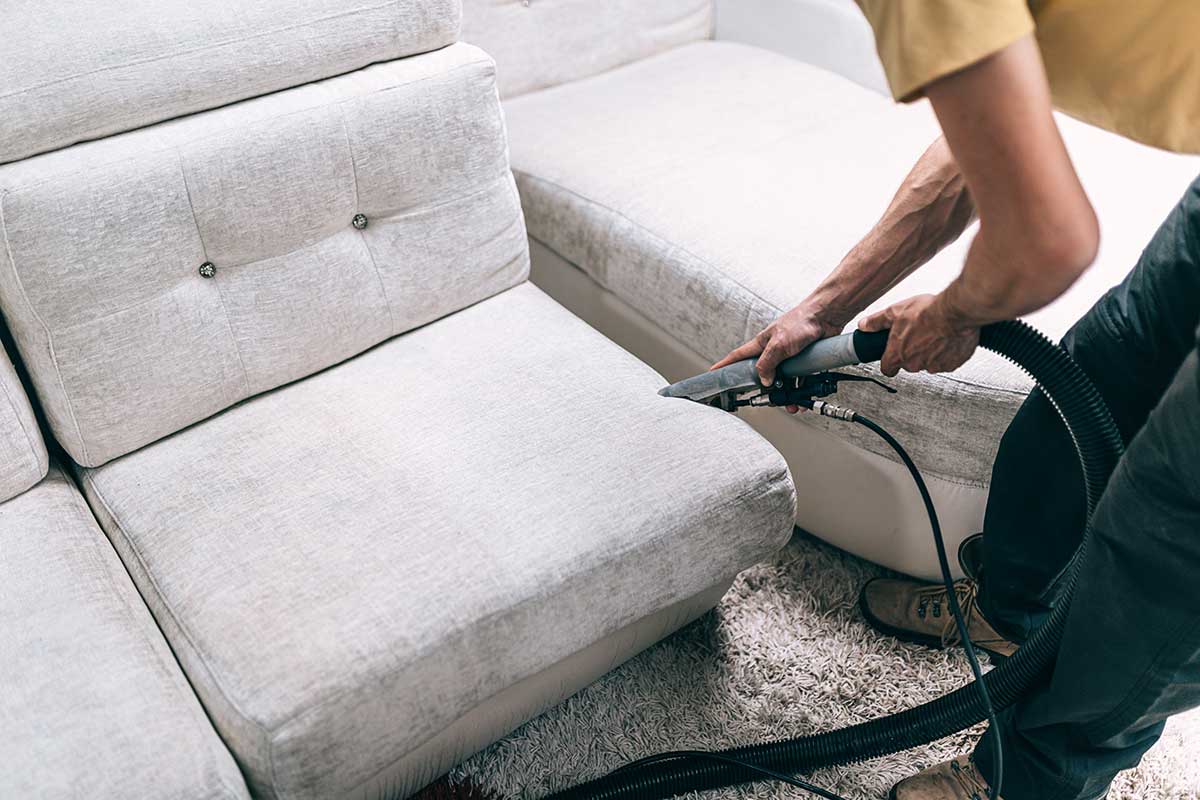
These aren’t just extras on a usual checklist. They are about tackling spaces where dust, allergens, or bacteria accumulate but are rarely seen.
How Does Local Climate and Lifestyle Affect Cleaning Needs?
Ann Arbor’s four-season climate and leafy neighborhoods present unique considerations. Long winters with road salt and slush can bring grime indoors, while muddy springs mean more cleaning for entryways and floors. Fall’s leafy debris and pollen can create dust and allergens that settle deep in vents and on less-accessible ledges.
Households with pets, students, or young children may discover that dirt, crumbs, and allergens accumulate faster in high-traffic areas and soft furnishings. Local living habits—such as removing shoes indoors or using mudrooms—can reduce mess, but don’t prevent the gradual build-up that deep cleaning addresses.
How Often Should Deep Cleaning Be Done?
There’s no single answer, as needs vary with lifestyle, health, allergies, and home size. Many area households find value in a deep cleaning twice each year, often before major seasonal transitions or when indoor air tends to stagnate. High-shedding pets, large families, or occupants with allergies may benefit from more frequent deep cleans.
Signs that it’s time for a deep cleaning can include:
- Visible dust in hard-to-reach areas
- Persistent odors despite regular cleaning
- Stubborn soap scum, limescale, or stains
- Air vents or fans visibly clogged with debris
Are There Health or Safety Differences?
Routine cleaning supports general well-being, but deep cleaning can help reduce allergens like pet dander, pollen, and dust mites that collect over time. For those with allergies or sensitivities, targeting overlooked reservoirs of dust and mold can make a noticeable difference, especially after months of closed windows or indoor heating in the city.
However, deep cleaning sometimes involves stronger chemicals or working at heights (cleaning ceiling fans or window exteriors). Proper ventilation and safe practices are important, and residents should only undertake tasks they are comfortable doing safely.
What Are Common Misconceptions?
- “Regular cleaning is enough for healthy living.” Regular upkeep keeps homes livable but doesn’t tackle deeper accumulation in hidden or seldom-used spaces.
- “Deep cleaning means everything is instantly spotless.” While deep cleaning is more extensive, not every mark or long-term stain will disappear if materials are aged or heavily used.
- “You need special equipment for deep cleaning.” Most deep cleaning tasks can be accomplished with standard home supplies, though items like extendable dusters or scrub brushes can make the job easier.
Local residents can adjust their approach based on seasonal changes, household makeup, and personal preferences, making both strategies a regular part of happy, healthy home maintenance.