

 See My Latest Article on HelloNation
Why Does Pet Hair Build Up on Carpets and Furniture?
Pet hair accumulates quickly in homes with furry companions, especially on carpeting and upholstered surfaces. This is partly due to static electricity, which makes strands cling stubbornly to fabric and fibers. In Ann Arbor, changing seasons further influence shedding cycles, with many pets losing more hair in the spring and fall when temperatures shift. Additionally, the area’s combination of humid summers and dry winters can increase the stickiness of hair on home textiles.
What Household Tools Work Best for Removing Pet Hair?
A variety of common household tools can be surprisingly effective in lifting pet hair from carpets and furniture. The most reliable options usually found in local homes include:
- Rubber gloves: Dampen a pair and run your hands over fabric or carpet; hair will gather on the glove for easy disposal.
- Lint rollers: These are convenient for spot-cleaning cushions or smaller patches of upholstery.
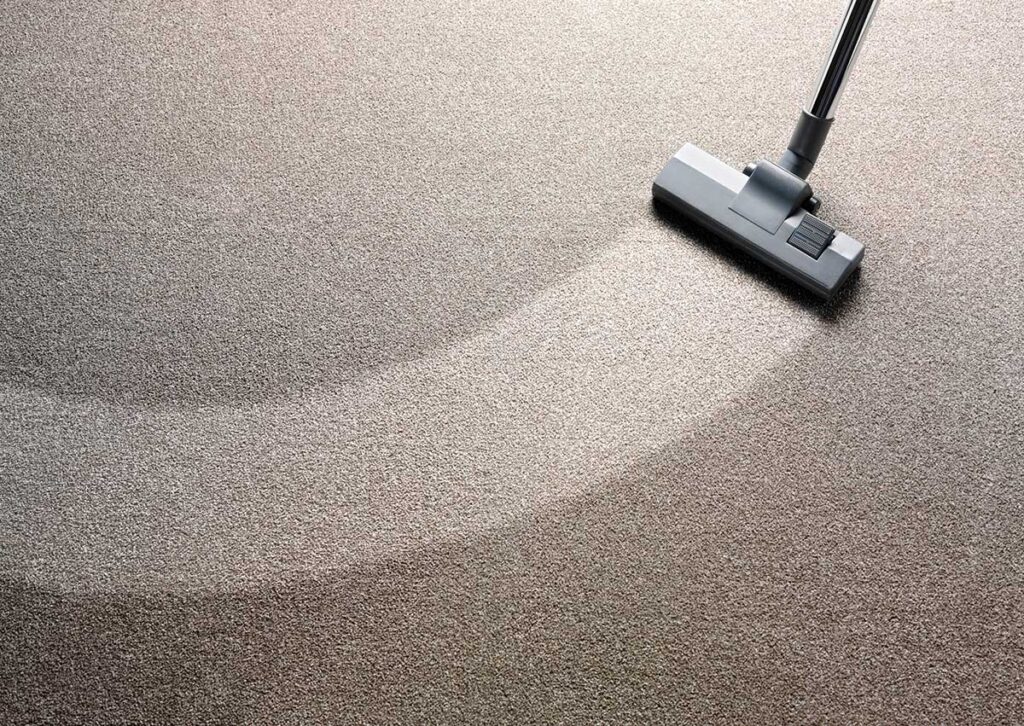
- Vacuum cleaners with brush or pet attachments: Many vacuums come with specialized heads that are designed to agitate fibers and pull out embedded hair.
- Squeegees: The same rubber-edged tool used for windows can scrape stubborn hairs out of rugs and even some upholstery.
- Fabric softener sheets (new or used): Wiping surfaces loosens static bonds and helps gather hair for removal.
Many area households find a combination of these methods, rather than relying on just one, provides comprehensive results, especially in homes with multiple pets or thick carpeting.
How Can Local Residents Reduce Pet Hair Buildup Over Time?
Managing pet hair requires more than just cleaning up after it. Consistent preventative steps can make weekly efforts much more manageable:
- Groom pets regularly, especially during peak shedding seasons. Brushing outdoors can keep much of the loose hair from accumulating indoors.
- Wash pet bedding, throws, and frequently used blankets often, since textiles where pets sleep tend to be primary sources of transfer to furniture and floors.
- Consider area rugs in high-shedding pet pathways, which are easier to shake out or launder than fully carpeted spaces.
In Ann Arbor, the prevalence of outdoor activity and seasonal mud means area residents may also want to keep a mat or towel by doors, catching some of the loose hair before it’s tracked further inside.
Are There Special Approaches for Different Fabrics and Surfaces?
The strategy for removing pet hair can depend greatly on whether you’re dealing with carpet, fabric upholstery, or leather:
*Denim, cotton, and most synthetic fabric furniture* respond well to the damp rubber glove trick and to vacuuming with brush attachments.
*Velvet, microfiber, and plush materials* can hold hair stubbornly; a lightly dampened sponge or specialty furniture brush can draw out embedded strands more effectively.
*Leather or faux leather* tends to repel hair, but static can still create patches. A dry microfiber cloth or slightly dampened soft cloth works best on smooth surfaces.
Carpets, especially those with dense pile or high-loft fibers, may require multiple passes with a vacuum and follow-up with a squeegee or glove to get out the most stubborn strands. Some Ann Arbor homes feature low-pile carpets, which are easier to clean but still benefit from regular agitation and suction.

Is Washing Carpets or Furniture Covers Safe for Pet Hair Problems?
Regular washing of removable covers and rugs can help, as long as hair isn’t left to clog machines. Before washing, shake out covers or rugs outside, or use a lint roller or vacuum to remove as much hair as possible. For items that can’t be washed, steam cleaning carpets and certain upholstery types can loosen trapped strands, making them easier to lift with other methods.
In humid summer months, allow washed textiles to dry fully before putting them back in place, as dampness can lead to odors or mildew in Ann Arbor’s climate.
What Mistakes Do Homeowners Commonly Make?
Several common misconceptions can lead to frustration:
- Assuming vacuuming alone solves the problem—many vacuums miss deeply embedded hair or hair left by high-shedding pets.
- Skipping regular grooming—extra baths or brushings especially before a major clean can dramatically cut down the visible hair.
- Using wet cloths on electronics or furniture like pressed board, which may lead to moisture damage.
It’s also a frequent error to over-soak fabrics; too much water can set stains or make hair clump rather than lift off.
When Can Pet Hair Become a Bigger Concern?
Most pet hair removal is purely for cleanliness and comfort, but there are instances where it may affect air quality or trigger allergies. In multi-pet households or for residents with allergies, air filters should be changed frequently, and vacuuming should be more frequent than average. Deep cleaning after seasonal shedding peaks can be especially helpful for local families with sensitivities.
Throughout Ann Arbor’s seasons, closed windows in winter and open windows in spring can both influence house dust and hair accumulation, so paying attention to ventilation and cleaning schedules is key.