

 See My Latest Article on HelloNation
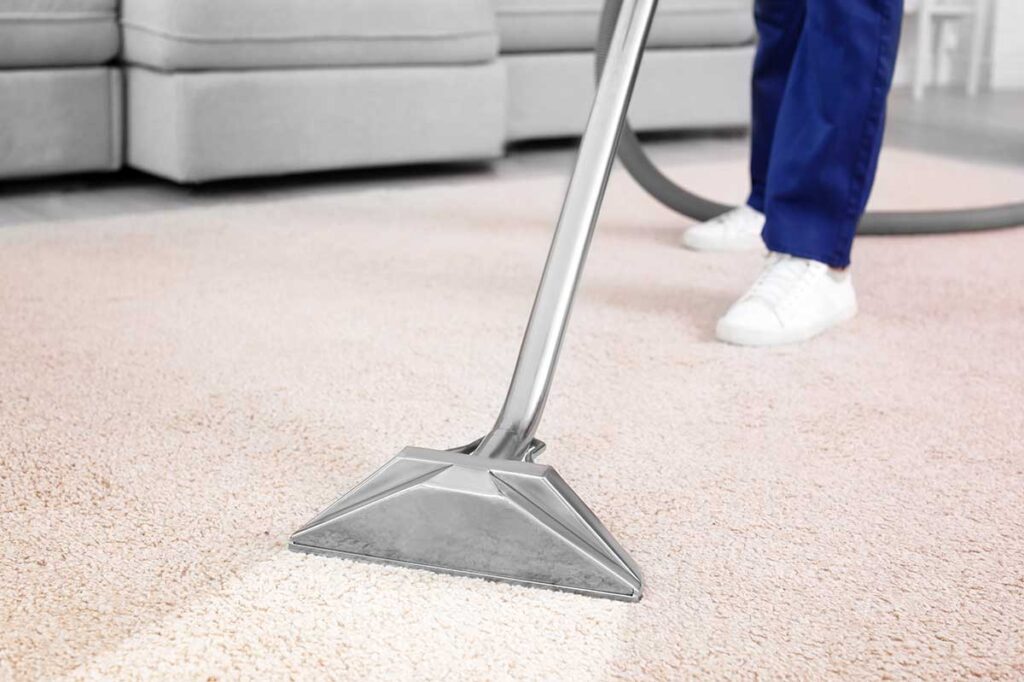
Spring cleaning does not need to happen in one exhausting weekend. A manageable plan—organized by priority, room, and available energy—can make a home feel fresher without turning the process into an all-day project.
For households in Ann Arbor, MI, spring often follows months of tracked-in salt, grit, mud, indoor dust, and closed-window air. That seasonal buildup is a useful starting point: focus first on the areas affected by winter, then move gradually into deeper cleaning.
What should be cleaned first?
Start with tasks that improve indoor air, sanitation, and daily comfort. Floors, entryways, bathrooms, kitchens, and frequently touched surfaces usually provide the greatest benefit early in the process.
A practical order is:
- Clear clutter from the area before cleaning it.
- Dust higher surfaces before vacuuming or mopping.
- Clean surfaces from dry to wet.
- Finish with floors so dirt is not tracked back over freshly cleaned areas.
This sequence prevents repeated work. For example, dusting ceiling fans after vacuuming the floor only sends debris back onto the floor, while cleaning countertops before removing unnecessary items leaves hidden areas untouched.
Prioritize spaces that receive the most use rather than trying to clean the entire home evenly. A tidy, clean kitchen and entryway may make a greater difference than spending hours on a rarely used storage area.
How can spring cleaning be divided into smaller tasks?
Break the work into short sessions with one clearly defined outcome. “Clean the house” is too broad to guide action, but “wash the kitchen cabinet fronts” or “vacuum the stairs” is specific and easier to finish.
A simple schedule might look like this:
- Day one: Gather supplies, remove obvious clutter, and create a donation or disposal area.
- Day two: Clean entryways, floors, and winter gear storage.
- Day three: Dust bedrooms and living areas, including vents, baseboards, and light fixtures.
- Day four: Deep-clean the kitchen.
- Day five: Clean bathrooms and launder washable textiles.
- Later sessions: Address windows, closets, appliances, and less frequently used spaces.
There is no requirement to follow a five-day schedule. A household with limited time may use 20-minute sessions, while someone with more energy may complete one room at a time. The useful principle is to stop defining progress by the number of rooms finished. Progress can also mean one cleaner surface, one cleared drawer, or one completed load of washable items.
What supplies are actually necessary?
Most spring cleaning can be completed with a small set of basic supplies. More products do not necessarily produce better results and can make the process harder to organize.
Useful basics include:
- Microfiber cloths or other washable cleaning cloths
- A vacuum with appropriate floor attachments
- A broom and dustpan
- A mop suited to the flooring
- A bucket
- A mild all-purpose cleaner
- A bathroom cleaner
- Dish soap
- Rubber gloves
- Trash, recycling, and donation containers
Read product labels before use, especially on stone, wood, painted surfaces, and finished cabinetry. Do not mix cleaning chemicals. Products containing bleach should never be combined with ammonia, acids, or other cleaners because dangerous gases can form.
A clean cloth and plain water may be sufficient for light dust on many surfaces. Using the least aggressive method that works helps reduce residue and protects finishes.
How should winter buildup be handled in Ann Arbor homes?
Winter residue is often concentrated near exterior doors, stairs, garages, and mudrooms. Salt and grit can scratch floors, dull finishes, and spread through the home when tracked indoors.
Begin by removing loose debris with a vacuum or broom. Avoid rubbing gritty material across hard flooring, since the particles can act like sandpaper. After vacuuming, use a flooring-appropriate damp cleaning method and dry the area if excess moisture remains.
Entryway maintenance is easier when the space is reset for the season:
- Wash or shake out washable mats according to their care instructions.
- Clean the area beneath mats, where grit often collects.
- Store winter boots only after they are dry.
- Inspect baskets, hooks, and shelves for accumulated dust.
- Keep a small container nearby for items that no longer belong in the entryway.
Spring also brings more moisture from rain and thawing ground. Promptly drying wet floors and improving airflow in damp areas can help reduce odors and protect flooring.
Which overlooked areas deserve attention?
Some surfaces are easy to ignore because they are above eye level, behind furniture, or used without much thought. During a seasonal reset, consider:
- Ceiling fan blades and light fixtures
- Door frames, handles, and cabinet pulls
- Baseboards and the edges of stairs
- Air return grilles and accessible vent covers
- The tops of refrigerators and tall cabinets
- Undersides of tables and chairs
- Remote controls, keyboards, and frequently handled devices
- Shower curtains, bath mats, and washable rugs
- The space beneath beds and sofas

Air vents and return grilles should be cleaned gently with a vacuum attachment or a slightly damp cloth. Avoid forcing dust into the openings. If a filter is replaceable, follow the equipment manufacturer’s instructions rather than relying on a universal replacement schedule.
Windows may also need attention after a winter of condensation, dust, and reduced ventilation. Clean glass on a cloudy day when possible, because strong direct sunlight can cause cleaning solution to dry before it is wiped away.
What should be decluttered before cleaning?
Decluttering and cleaning are related but separate tasks. Trying to make decisions about every item while holding a cleaning cloth can quickly become overwhelming.
Use three categories:
- Keep in its current location
- Move to another location
- Remove from the home
Avoid creating a large “decide later” pile unless it has a specific review date. Otherwise, it can become another source of visual clutter.
Start with low-emotion items such as expired products, duplicate utensils, worn-out packaging, and clothing that is no longer usable. Sentimental belongings and important documents can be handled separately, when there is enough time to make careful decisions.
Do not pour unwanted chemicals, paint, solvents, or other hazardous household materials down a drain. Disposal rules can vary by material and local collection options, so check current municipal guidance before discarding them.
How can people avoid overexertion?
Spring cleaning involves lifting, bending, reaching, and repeated motion. Fatigue can make accidents more likely, especially when using ladders or handling heavy furniture.
Work at a comfortable pace and change activities periodically. For example, alternate between standing tasks, light organizing, and seated sorting. Use a stable step stool rather than a chair, and do not overreach from a ladder.
A useful stopping point is reached when:
- Cleaning quality begins to decline
- The same area is being redone repeatedly
- Back, shoulder, wrist, or knee pain develops
- Chemicals are being used carelessly because of fatigue
- The remaining tasks require more strength than is available
Some conditions require specialized precautions, including visible mold growth over a large area, sewage contamination, pest waste, unknown chemical spills, or suspected asbestos-containing materials. Those situations are different from ordinary household cleaning and should not be handled casually.
What does a realistic spring-cleaning plan look like?
A realistic plan includes both cleaning time and recovery time. Choose the rooms that matter most, set a stopping point, and leave a buffer for laundry, drying surfaces, and disposing of unwanted items.
For many households, the most effective approach is a seasonal reset rather than a total transformation: remove winter debris, improve frequently used spaces, wash the textiles that affect comfort, and address one overlooked area at a time. Once the major work is done, short weekly maintenance sessions can keep the home from returning to its winter baseline.