

 See My Latest Article on HelloNation
How Does Having Pets Change House Cleaning for Ann Arbor Residents?
Pets add warmth and joy to any home, but they also bring fur, dander, mud, and unexpected messes. In Ann Arbor, where weather shifts from snowy winters to muddy springs, area homes often face additional challenges with paw prints, shedding, and odors. Local residents ask how to manage a clean, healthy living space while still enjoying their cats, dogs, or other companion animals.
Daily routines and product choices both matter. Consistency limits buildup, and using pet-safe cleaning methods protects pets and people alike. Understanding common problems and local outdoor factors helps establish habits that make daily living easier.
What Are the Most Common Cleaning Challenges Faced by Pet Owners?
For most pet owners, the biggest cleaning hurdles include:
- Shedding fur and dander collecting on floors and furniture
- Dirt and debris tracked indoors, especially in wet or snowy seasons
- Persistent odors, especially when windows stay closed during colder months
- Occasional accidents or spills requiring immediate attention
In homes near parks or walking trails, muddy paw prints and fleas or ticks can also become issues. Ann Arbor’s climate means pet owners may frequently deal with both slushy winters and damp springs, making preventive cleaning routines especially valuable for area households.
How Can Fur and Dander Be Managed Effectively?
Frequent vacuuming and dusting help keep pet hair and dander from accumulating. Pet owners generally see the best results with these habits:
- Vacuum carpets, rugs, and upholstery at least twice weekly, using a vacuum with a HEPA filter to help capture fine hairs and allergens
- Use damp microfiber cloths for dusting hard surfaces to trap, rather than spread, fur and dander
- Wash pet bedding, blankets, and washable covers every 1-2 weeks to control build-up
- Consider placing washable throws over favored pet furniture spots for easier cleanup
Pet grooming also plays a role: regular brushing, especially for breeds that shed heavily, limits overall indoor fur. Keeping lint rollers or sticky sheets handy can help with daily spot cleaning.
How Should Residents Handle Pet Odors Without Causing Harm?
Combating pet odors safely requires more than masking smells with sprays. Start by targeting the source:
- After any accident, blot up moisture quickly, then clean with an enzymatic cleaner, which breaks down organic residues (read labels to ensure pet safety)
- Air out rooms regularly, weather permitting, to reduce stuffiness
- Use baking soda as a safe, natural deodorizer on carpets and upholstery; sprinkle it on, let sit, then vacuum
- Regularly empty and clean litter boxes; some area residents also place mats around boxes to catch stray litter and reduce tracking
- For washable fabrics, hot water cycles with an extra rinse can remove lingering smells
Be cautious: avoid products with strong fragrances or harsh chemicals, as these can irritate both pets and humans—especially in smaller or less-ventilated spaces.
How Can Entryways Be Set Up to Limit Dirt and Mud?
Managing what pets track inside is especially important for Ann Arbor homes during rainy springs or snowy winters. Many area residents find it helpful to:
- Place doormats both inside and outside main entrances, choosing mats with deep grooves or absorbent fibers
- Keep pet towels or wipes at the door to clean paws before dogs enter fully; make this part of the return-from-walk routine
- Set up a boot tray or washable runner rugs in entryways to catch runoff and debris
- For cats, periodic wiping of paws (with pet-safe wipes) can help, especially if they venture outdoors
Creating a simple staging area near the door can save time and reduce cleaning frequency throughout the rest of the house.
What Cleaning Supplies Are Safe to Use Around Pets?
Not all cleaning products are safe for pets. Area residents sometimes overlook that common household disinfectants may contain chemicals or essential oils that can be hazardous to animals.
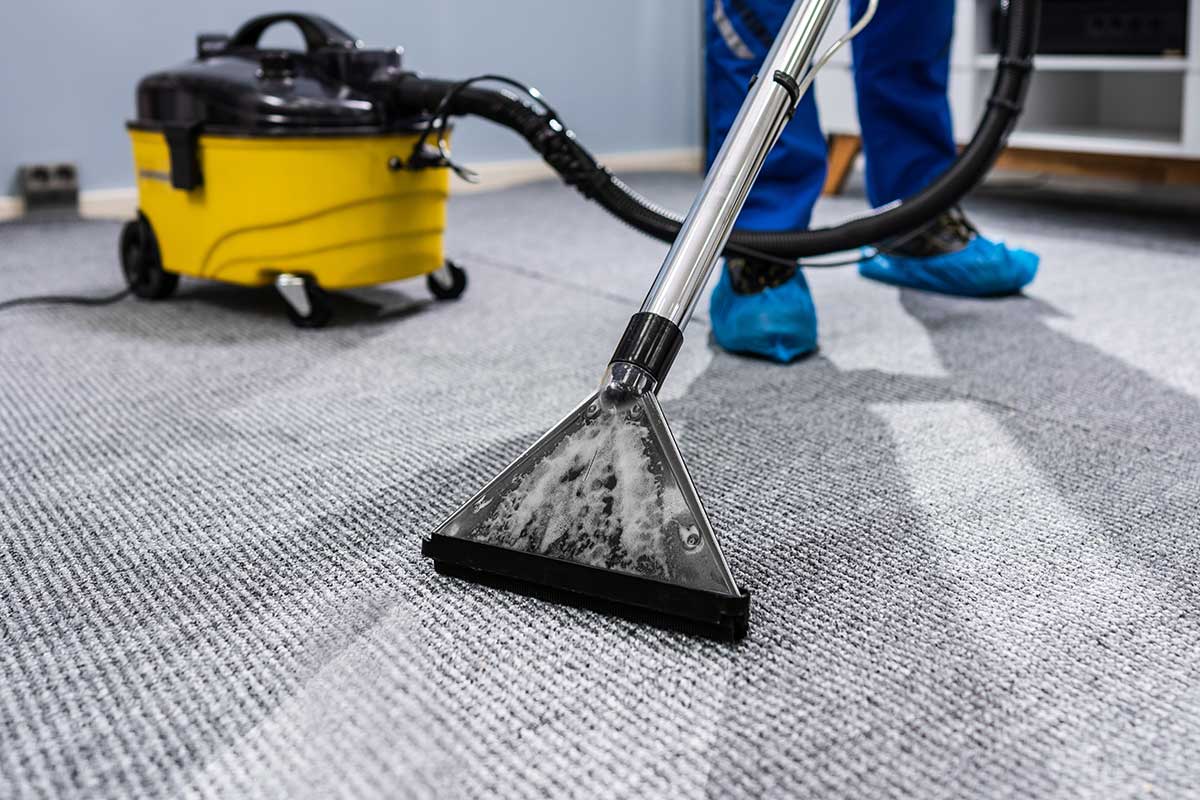
Tip for pet households:
- Check the label: Look for products labeled specifically as pet-safe or non-toxic
- Avoid cleaners with ammonia, bleach, phenols, or strong essential oils, which are especially dangerous if ingested or if pets walk on freshly cleaned surfaces
- Vinegar and baking soda are effective for many simple cleaning tasks, such as spot-cleaning floors or deodorizing fabrics, but always rinse well to remove any residue
- For mopping, use diluted, unscented soap and rinse floors thoroughly, as pets often lick or lie on these surfaces
Mistakenly thinking “natural” means “safe” is a common misconception. Whether store-bought or homemade, always double-check ingredients.
Are There Cleaning Routines That Make Pet Maintenance Easier in Busy Households?
Consistency is key. Setting up routines that match daily life in the community—like quick paw checks after outdoor walks or nightly wipe-downs—reduces surprises and makes upkeep less overwhelming.
Sample routine for busy households:
- Daily: Quick vacuum or sweep in high-traffic areas; wipe down visible muddy spots; clean feeding/water stations
- Weekly: Deep vacuum or mop; wash pet bedding; wipe down baseboards and door frames at pet height
- Monthly: Clean light fixtures, vents, and behind/under furniture where fur often collects undetected
Using baskets or totes for quick access to supplies helps streamline cleaning, so everything needed for a fast tidy-up is within reach.
Do Seasonal Changes in the Area Affect How Pet Owners Should Clean Their Homes?
Local pet owners often notice a spike in cleaning needs during seasonal shifts—spring shedding, muddy autumn walks, or salt and slush in winter. Adjusting routines to match Ann Arbor’s weather can make a big difference.
Consider strategies like:
- Switching to heavier, washable rugs in winter to absorb snow and salt
- Increasing the frequency of grooming and vacuuming during peak shedding months
- Washing window screens and wiping down sills in the spring and summer, when pets may lounge near open windows
- Checking for fleas and ticks after time in local parks or wooded areas
Planning ahead for these seasonal shifts can prevent messes from multiplying and keep homes comfortable year-round.