

 See My Latest Article on HelloNation
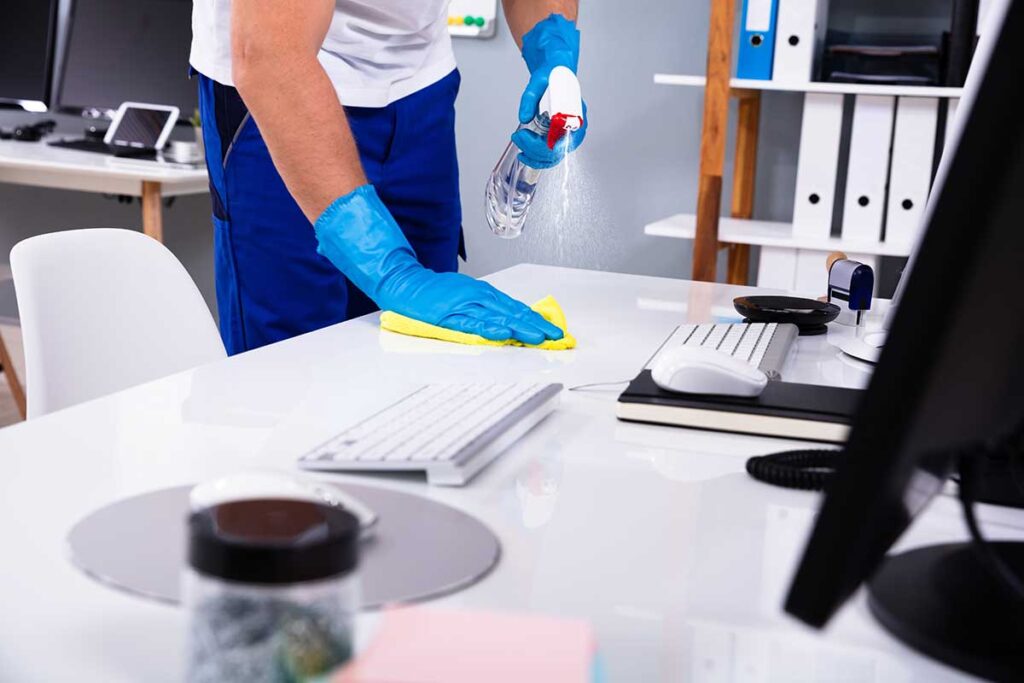
Why Focus on Frequently Touched Surfaces?
Frequently touched surfaces in homes—such as doorknobs, light switches, countertops, and appliance handles—can quickly accumulate germs and bacteria. Regular and proper cleaning of these areas helps reduce the spread of common illnesses in households throughout Ann Arbor, MI, especially during peak cold, flu, and allergy seasons.
Residents often overlook how quickly these surfaces can be re-contaminated, even after only a few hours. Understanding which surfaces require the most attention and how to clean them correctly can make routines safer and more efficient in the long run.
What Are the Most Commonly Touched Surfaces at Home?
The most commonly touched surfaces vary by household, but in Ann Arbor homes, these typically include:
- Door handles and knobs (interior and exterior)
- Light switches
- Kitchen and bathroom countertops
- Faucet handles
- Refrigerator, microwave, and oven handles
- Remote controls and gaming controllers
- Smartphones, tablets, and laptops
- Stair rails and banisters
- Drawer and cabinet pulls
- Toilet flush handles
Focusing cleaning efforts on these surfaces helps interrupt the cycle of germ transmission, which is especially important in multi-person households or shared living environments.
How Should Surfaces Be Cleaned Before Disinfecting?
Cleaning and disinfecting are different steps. Surfaces should be cleaned with soap or detergent and water before disinfecting, as dirt and debris can reduce the effectiveness of disinfectants.
Start by wiping the surface with a damp cloth and a mild cleaning agent, focusing on removing visible dirt or residues. For heavily soiled areas, allow the cleaning solution to work for several minutes before wiping it away. Rinse with clean water if sticky residue remains.
Neglecting the cleaning step is a common mistake that can leave behind a film, making bacteria and viruses harder to eliminate in the next step.
Which Household Disinfectants Work Best, and How Are They Used Safely?
EPA-registered disinfectants, including many standard household options, are generally effective when used according to their label instructions. For basic virus and bacteria control, diluted household bleach (check manufacturer recommendations), hydrogen peroxide (3%), and isopropyl alcohol (at least 70%) are also common choices for Ann Arbor residents.
Tips for safe and effective use:
- Always ensure sufficient ventilation—open a window if possible
- Wear disposable gloves when using stronger disinfectants
- Never mix cleaning products, particularly bleach and ammonia, due to hazardous fumes
- Follow contact time directions—leave the surface wet with disinfectant for the specified period (often 1-5 minutes)
- After disinfecting, wash hands thoroughly
If using disinfectant wipes, make sure the surface stays visibly wet for the time listed on the product label. Many residents rush this step, but a short dry time reduces effectiveness.
How Often Should High-Touch Areas Be Cleaned and Disinfected?
For most homes in the city, cleaning and disinfecting high-touch surfaces once daily is reasonable during normal periods. During times of increased community illness or when someone in the household is sick, increase frequency to multiple times per day.
Other considerations include:
- After guests visit the home, clean and disinfect major touchpoints
- Extra cleaning following activities where hands contact shared surfaces (game nights, study groups)
Seasonal changes in Ann Arbor, such as wet spring mud or winter salt residue, can increase surface grime, so more frequent cleaning may be necessary during certain weeks.
Are There Safer or Non-Toxic Options for Sensitive Households?
For households with allergies, young children, or chemical sensitivities, there are safer ways to clean and disinfect common surfaces.
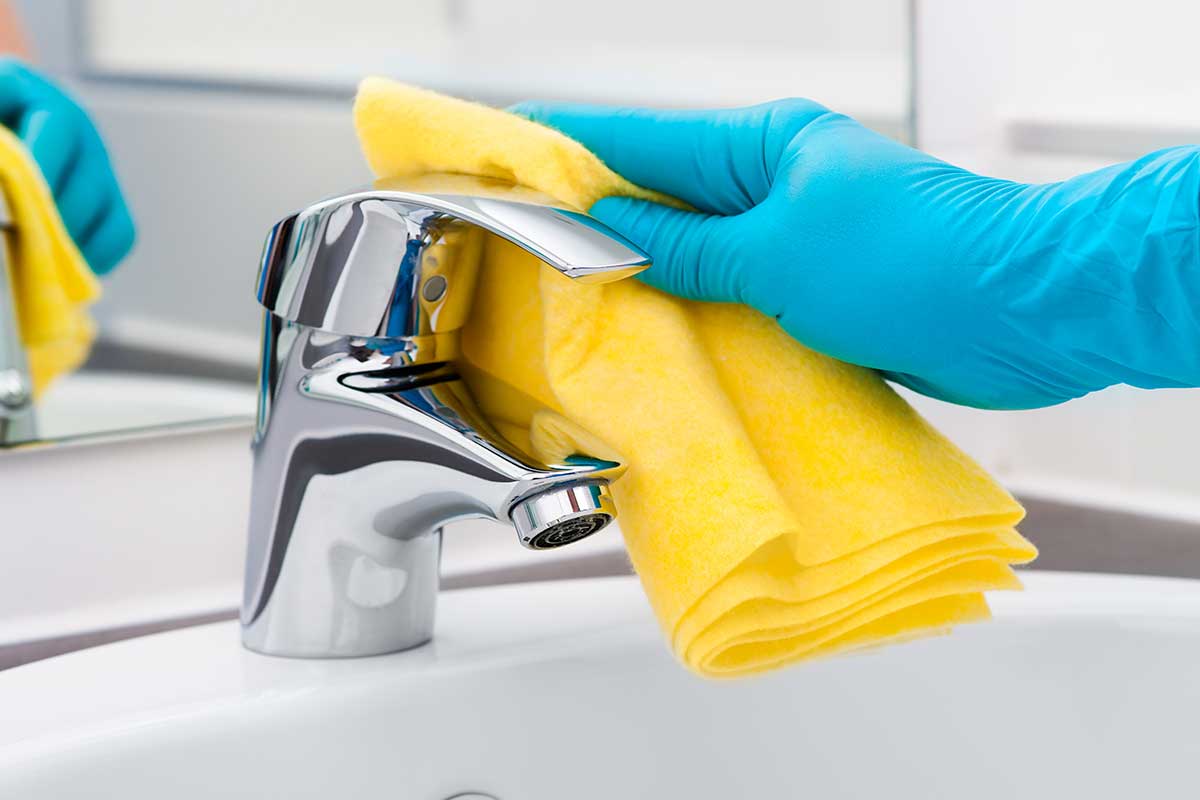
- Soap and hot water remove many germs and allergens without strong chemicals
- Simple solutions like hydrogen peroxide or vinegar (for cleaning, not disinfecting viruses) can minimize exposure to harsh ingredients
- Microfiber cloths physically trap more particles than paper towels or rags
Always check that cleaning agents are appropriate for the material—wood, stone, and electronics may require gentle, diluted solutions. Test unfamiliar products on an inconspicuous spot when protecting sensitive finishes.
What About Electronics and Other Hard-to-Clean Items?
Electronics such as remote controls, phones, and tablets should be cleaned and disinfected with care, as excess moisture can damage these devices.
- Power off and unplug when possible
- Use a soft, slightly damp microfiber cloth
- Avoid spraying liquids directly on electronics—apply disinfectant (like alcohol-based wipes) to the cloth instead
- Focus on buttons, edges, and screens, but check manufacturer recommendations for specifics
Keyboards and mice can be turned upside-down and gently shaken before wiping with an alcohol-moistened cloth. For touch screens, be gentle, as repeated cleaning with abrasive cloths can cause wear.
Common Misconceptions and Overlooked Surfaces
Many Ann Arbor households neglect surfaces like:
- Pet leashes and collars
- Reusable grocery bags
- Car door handles and controls
- Mailbox handles
- Garage door openers
These objects can transfer germs just as easily as any indoor knob or handle. It’s also a misconception that only “sick” surfaces need attention; even clean-looking surfaces may harbor bacteria or viruses.
How Do Seasons and Climate in Ann Arbor, MI Affect Cleaning Practices?
Local climate and lifestyle play a role in cleaning needs. In Ann Arbor, snow, salt, pollen, and autumn leaves all contribute to household surface grime. Muddy shoes and boots may increase entryway contamination in spring and fall, while forced-air heating in winter can increase dustiness and surface static.
Residents can proactively use doormats and shoe removal practices to reduce tracked-in debris. Periodic deep-cleaning of mudrooms, entryways, and frequently used handrails is especially helpful during the region’s muddiest and coldest months.