

 See My Latest Article on HelloNation
Why Try Natural Cleaning Solutions at Home?
Many households in Ann Arbor, MI are looking to reduce chemical use and save money by making their own cleaning products. Natural cleaners can handle everyday messes using simple, familiar ingredients. Research and local experience both suggest that for routine tasks like wiping surfaces, scrubbing build-up, or freshening fabrics, homemade mixtures can be just as effective as store-bought cleaners.
Are Common Ingredients Like Vinegar and Baking Soda Really Effective?
Yes, vinegar and baking soda address most daily cleaning challenges in area homes. Vinegar’s mild acetic acid helps dissolve mineral deposits, remove smudges, and cut grease. Baking soda’s abrasiveness lifts grime without scratching—especially useful on ceramic, glass, and stainless steel. Both are easy to find in Ann Arbor grocers year-round and are inexpensive in bulk.
- Vinegar solutions clean glass, counters, tile, and bathroom fixtures.
- Baking soda freshens drains, deodorizes carpets, and scrubs sinks without damaging finishes.
However, vinegar should never be used on natural stone surfaces (like granite or marble) due to its acidity.
How Do You Mix and Use DIY Cleaners Safely?
A few basic recipes cover most household needs:
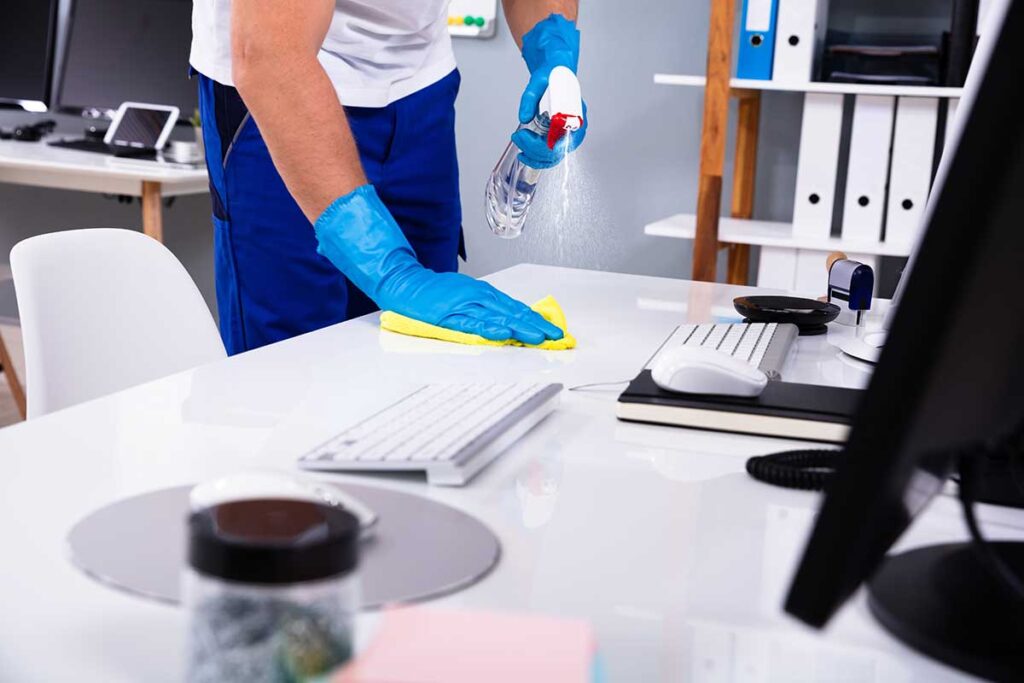
- All-Purpose Spray: Mix 1 cup distilled white vinegar with 1 cup water in a spray bottle. For scent, add 10-20 drops of essential oil, if desired. Spray on non-porous surfaces and wipe with a cloth.
- Abrasive Scrub: Sprinkle baking soda onto a damp sponge for sinks, tubs, or stovetops. For stubborn spots, make a paste with just enough water.
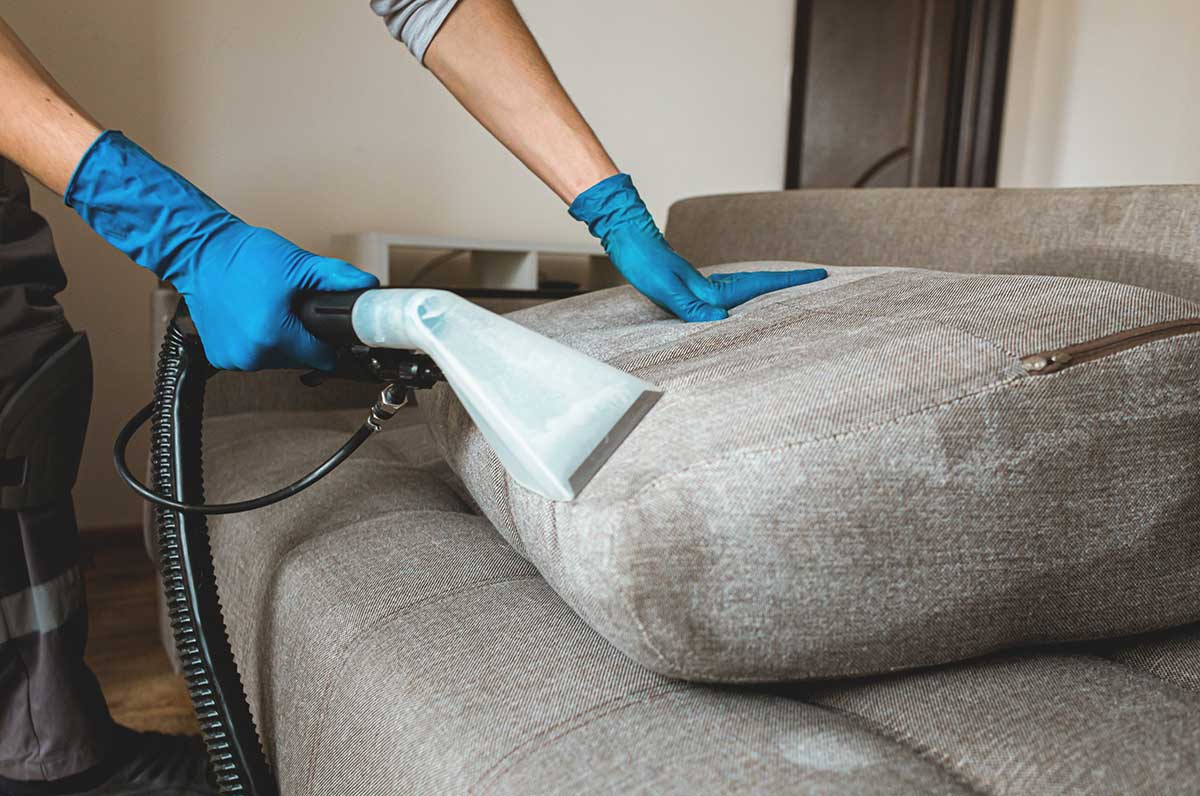
- Carpet Freshener: Sprinkle baking soda over the carpet, let it sit for 10-15 minutes, and vacuum thoroughly.
Always label homemade bottles and keep them away from children or pets.
Can DIY Solutions Handle Ann Arbor’s Seasonal Cleaning Challenges?
Natural cleaners are well-suited to local conditions, especially after seasonal changes. Melting snow and spring mud can track extra dirt indoors. Vinegar-based mopping solutions help cut through salt residue on hard floors in winter, while baking soda effectively tackles musty smells after damp spring spells.
Heavy pollen in the area can settle on window sills and screens. Wiping with a vinegar-water solution lifts pollen without leaving residue.
Which Surfaces Should Not Be Cleaned With Vinegar or Baking Soda?
Local residents with hardwood floors, natural stone countertops, or specialty appliances should avoid certain ingredients:
- Vinegar and lemon juice can etch stone and dissolve some finishes.
- Baking soda may scratch delicate surfaces like some glass cooktops or lacquered wood.
- Aluminum cookware can react with acidic or basic cleaners, dulling the finish.
For these delicate materials, plain warm water with a mild dish soap is safer.
What Mistakes Do People Make When Using Natural Cleaners?
Even in well-informed communities like Ann Arbor, some DIY cleaning mistakes are common:
- Mixing vinegar with hydrogen peroxide or bleach (never combine these—harmful gases can form).
- Using excessive essential oils; many are safe, but certain oils can trigger allergies in people or pets.
- Assuming “natural” means universally safe. Some natural substances can still irritate skin or damage surfaces.
Label all bottles clearly and spot-test recipes on inconspicuous areas.
How Can You Reduce Odors and Allergens Without Synthetic Fragrances?
Instead of chemical sprays, try simple odor-fighting tricks:
- Open windows for cross-ventilation, especially during moderate spring and fall weather in Ann Arbor.
- Simmer citrus peels or cinnamon sticks on the stove as a gentle freshener.
- Use baking soda in shoes, gym bags, or trash bins for natural deodorizing.
Essential oils such as lavender or eucalyptus can add fragrance, but should be used sparingly and only in well-ventilated areas.
Where Can You Learn More About Safe Cleaning Methods Locally?
For more detailed guidance, local public libraries and community centers often offer workshops or informational resources on home health and green cleaning. City environmental offices sometimes publish guides specific to water safety or environmentally responsible disposal, helping residents tailor their cleaning habits to local waste and recycling systems.