

 See My Latest Article on HelloNation
Keeping a bathroom sparkling clean does not require a complicated routine. Regular attention to moisture, soap residue, dust, and high-touch surfaces usually prevents the heavy buildup that makes cleaning take longer.
For households in Ann Arbor, MI, changing weather can bring extra moisture, tracked-in grit, and damp towels into the home. A simple routine that addresses those conditions can keep the room fresher between deeper cleanings.
What should be cleaned daily?
A few quick habits can prevent stains, odors, and mildew from becoming established. Daily cleaning does not mean scrubbing every surface. It means removing moisture and residue before they dry or accumulate.
After each shower or bath:
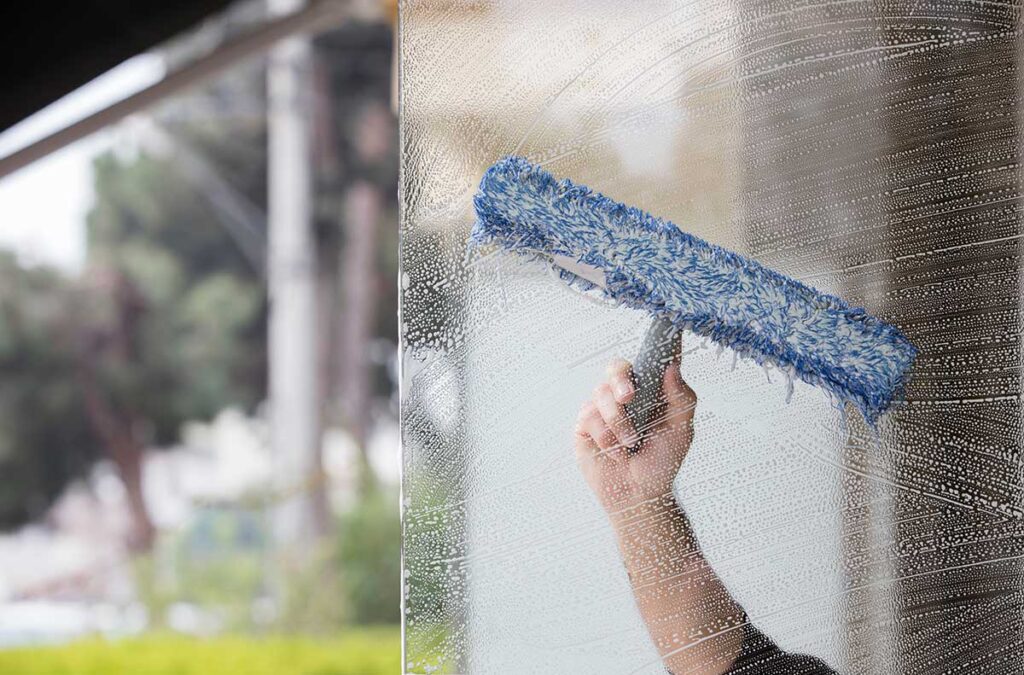
- Run a squeegee or clean towel over glass, tile, and fixtures.
- Leave the shower curtain or door partly open so air can circulate.
- Hang towels fully spread out instead of leaving them in a pile.
- Remove hair from the drain area.
- Wipe toothpaste or soap splashes from the sink.
These steps take only a few minutes but reduce mineral deposits and soap film. They also help surfaces dry more quickly, which is useful during humid periods or when several people share one bathroom.
The toilet handle, faucet handles, and light switches also deserve frequent attention because they are touched often. A damp microfiber cloth can remove light dust and residue without requiring a full cleaning session.
How often should a bathroom be cleaned?
Most bathrooms benefit from a light cleaning once or twice each week, with a deeper cleaning every few weeks. The right schedule depends on ventilation, household size, shower frequency, and how quickly surfaces become visibly soiled.
A weekly routine should generally include:
- Cleaning the toilet bowl, seat, lid, base, and surrounding floor.
- Washing the sink basin and wiping the faucet.
- Removing soap film from the tub or shower.
- Cleaning mirrors and other smooth glass.
- Dusting vents, shelves, trim, and light fixtures.
- Mopping the floor, especially around the toilet and sink.
- Replacing damp or visibly soiled towels and bath mats.
A bathroom used by several people may need more frequent attention. A lightly used guest bathroom may need less, although dust and stagnant air can still create odors if the room is ignored for long periods.
What is the correct order for cleaning?
Cleaning from dry surfaces to wet surfaces usually saves time and prevents recontamination. Start at the highest areas and work downward.
A practical order is:
1. Remove towels, bath mats, waste, and loose items.
2. Dust vents, shelves, wall trim, and light fixtures.
3. Apply cleaner to the sink, tub, shower, and toilet.
4. Clean the mirror and glass.
5. Scrub the sink and shower surfaces.
6. Clean the toilet, beginning with the less soiled exterior areas.
7. Wipe cabinet fronts and handles.
8. Sweep or vacuum the floor.
9. Mop last.
Allowing a cleaner a few minutes of contact time can loosen residue, but surfaces should not be allowed to dry if the product instructions require rinsing. Using separate cloths for the toilet and other surfaces helps limit the spread of germs.
How can soap scum and hard-water spots be reduced?
Soap scum forms when soap ingredients combine with body oils and minerals in water. Hard-water spots appear when dissolved minerals remain after water evaporates. Both problems become easier to manage when surfaces are dried regularly.
For routine buildup:
- Use a non-abrasive bathroom cleaner suitable for the surface.
- Wipe shower walls from top to bottom.
- Dry faucets after use when practical.
- Wash shower curtains or liners according to their care instructions.
- Clean corners, grout lines, and the area around fixtures rather than focusing only on large open surfaces.
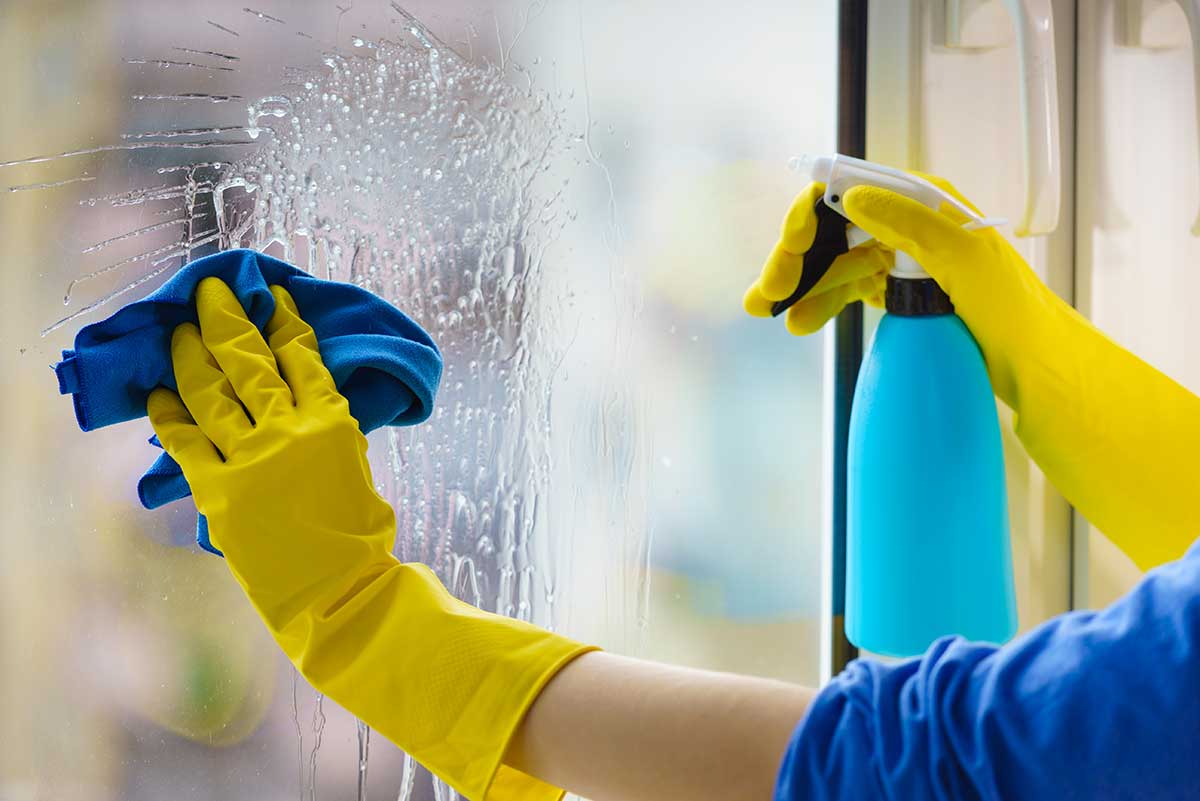
Avoid abrasive powders or rough scrubbers on delicate finishes, acrylic tubs, coated fixtures, and some types of tile. A product that works well on glazed ceramic may damage natural stone or specialty finishes. If the material is uncertain, test a small hidden area first and follow the surface manufacturer’s care guidance.
How can mildew be prevented?
Mildew is more likely to appear where moisture remains trapped. Better airflow and faster drying are usually more effective than repeatedly treating visible spots.
Run the bathroom exhaust fan during bathing and for about 20 to 30 minutes afterward if the fan vents properly to the outside. Keep the door open after use when household privacy allows, and avoid storing wet laundry in the bathroom.
Also check for:
- Damp bath mats that stay against the floor.
- Shower curtains that remain folded together.
- Water collecting around the toilet base or under the sink.
- Darkened caulk lines near the tub or shower.
- Slow leaks from faucets, supply lines, or drain connections.
Small mildew spots on washable, nonporous surfaces can often be addressed with an appropriate household cleaner and careful rinsing. Porous materials, damaged caulk, recurring growth, or a persistent musty odor may indicate trapped moisture or a leak that needs attention beyond routine cleaning.
Which bathroom cleaning products should never be mixed?
Never mix chlorine bleach with ammonia, acids, vinegar, toilet bowl cleaners, or other unapproved products. Dangerous vapors can form even when only small amounts are combined.
Use one product at a time, read the label, and rinse the surface before applying a different type of cleaner. Keep products in their original containers, provide ventilation, and wear gloves if the label recommends them.
Natural does not automatically mean harmless. Concentrated acids, essential oils, abrasive powders, and strong disinfectants can damage finishes or irritate skin and breathing passages. Cleaning products should be selected based on the surface and the type of soil being removed.
How should floors, grout, and bath mats be handled?
Bathroom floors collect hair, dust, skin particles, and moisture. Sweeping or vacuuming before mopping prevents loose debris from turning into wet residue.
Pay particular attention to the floor around the toilet, where splashes can dry unnoticed, and to grout lines near the tub or shower. Grout should be cleaned gently with a suitable brush rather than a metal tool that can scratch or remove material.
Bath mats should be washed regularly and dried completely before returning them to the floor. If a mat remains damp underneath, lift it after bathing so the floor can dry. This is especially helpful during colder months when windows may stay closed and indoor air circulation is reduced.
What bathroom problems should not be ignored?
Some conditions are not simply cleaning issues. Persistent odors, bubbling paint, soft flooring, loose caulk, recurring mildew, or water stains may point to a leak or ventilation problem.
A toilet that rocks, a drain that repeatedly backs up, or water that collects under a cabinet can also cause damage if left unresolved. Cleaning can improve the appearance temporarily, but it will not correct a plumbing or building problem.
A consistently clean bathroom depends less on occasional heavy scrubbing than on moisture control, regular wiping, proper ventilation, and using the right method for each surface. Short daily habits combined with a reliable weekly routine can keep the room sanitary, comfortable, and easier to maintain throughout the year.